When to Visit & Weather
The Kalahari is a land that refuses to remain still, shifting its personality with the calendar and testing the mettle of anyone who drives into its vast interior. Most travelers arrive expecting a monotonous expanse of sun-bleached sand. They quickly discover a complex climate that swings from sub-zero winter dawns to blistering summer afternoons. Understanding central kalahari game reserve weather requires letting go of basic assumptions about typical African game reserves, because the desert you experience in July bears no physical resemblance to the green riverbeds breathing under the heavy atmospheric pressures of February.
Understanding the Meteorological Baseline
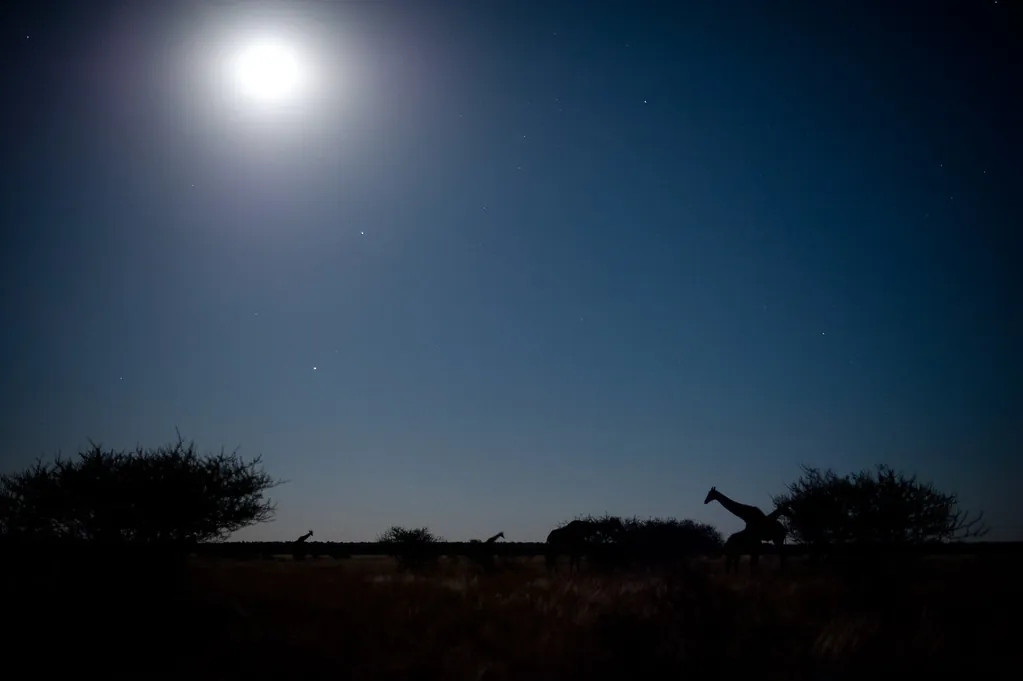
People frequently ask: is the kalahari desert a hot or cold desert? The answer lies in its geographic positioning on a vast elevated plateau roughly 1,000 metres above sea level. Strictly speaking, the Kalahari is a semi-arid continental desert, or an erg, sitting upon an ancient bed of red sand. It receives too much rainfall to qualify as a true hyper-arid desert, yet its high altitude creates extreme thermal fluctuations. You can freeze under a star-filled sky at midnight and find yourself drenched in sweat under an acacia tree six hours later.
Weather systems in central Botswana sweep down from the tropical moisture corridors of the north and northeast. According to reports from the Botswana Department of Meteorological Services, the reserve experiences a single rainy season coinciding with summer, followed by a prolonged, bone-dry winter period. The stark atmospheric pressure changes dictate game movement across thousands of square kilometers. Detailed meteorological dynamics are unpacked further in our article on decoding Kalahari climates.
The Green Season: December to April
Rainfall begins in earnest between December and April, transforming pale sand into lush green carpets. Afternoon thunderstorms build rapidly on hot afternoons, casting deep indigo shadows across Deception Valley before releasing localized cloudbursts. Water accumulates inside fossil riverbeds and clay pans, creating temporary drinking holes that sustain thousands of animals. Springbok, gemsbok, blue wildebeest, and migratory zebras gather in huge concentrations to graze on teh mineral-rich grasses springing from the ancient soil.
Predators lock onto these massive herds immediately. Black-maned Kalahari lions, cheetahs, and spotted hyenas establish territories along Deception Pan, Letiahau, and Passarge Valley. For wildlife enthusiasts, this period represents the best time to visit central kalahari game reserve due to the sheer density of animals and predator interactions. Driving off-grid during the wet months requires serious preparation. Heavy rains turn clay tracks into slick black-cotton mud that traps heavy vehicles. Drivers must pack recovery tracks and lower their tire pressure, as explained in our guide to navigating deep sands in Botswana. If self-driving during heavy rains sounds overwhelming, booking an organized expedition like the 3 Days Central Kalahari Game Reserve Safari provides safety with experienced local trackers.
The green season rewards patience. You might spend two hours under a muggy sky waiting for a squall, but when the clouds split, the golden light against emerald grass creates incredible photographs.
Julian Thorne
The Dry Winter Season: May to November
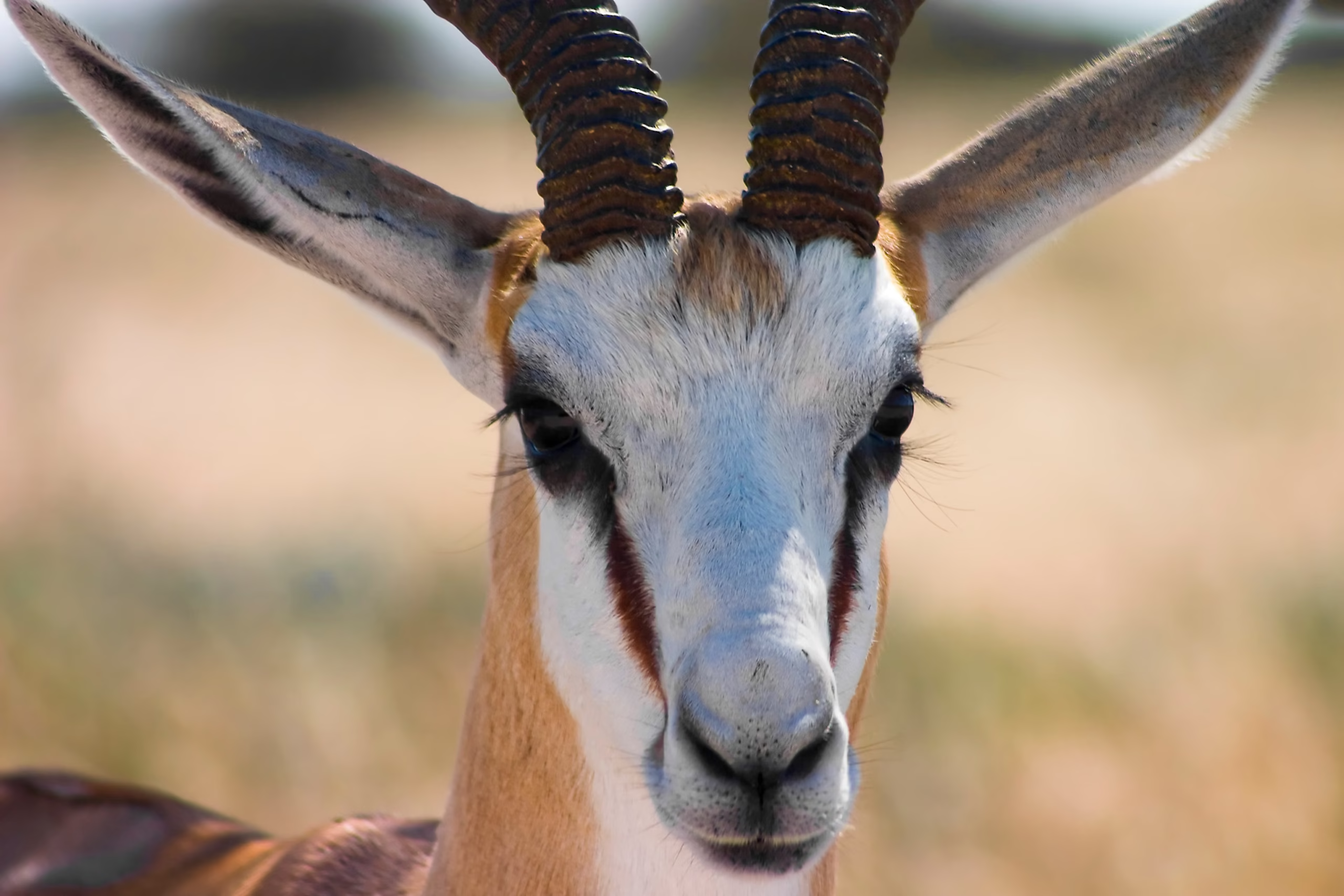
By late May, rain clouds disappear entirely. Moisture evaporates rapidly under cloudless cobalt skies, leaving behind crisp yellow grasslands and dry, rutted tracks. As water holes dry up, wildlife disperses across vast wilderness tracts in search of survival. Animals rely on deep-rooted shrubs, tuberous roots, and moisture-rich tsamma melons to endure the drought. Finding game during these winter months requires tracking expertise and persistent driving between remote pans.
Winter brings stark, peaceful solitude. Dust settles across the horizon at sunset, creating deep orange skies that disappear into brilliant starry nights. Nighttime temperatures drop rapidly once the sun slips below the horizon, often falling below zero Celsius by dawn. Campers must pack heavy arctic-rated sleeping bags and thermal clothing when staying at remote sites managed by the Department of Wildlife and National Parks. You can read more about campsite amenities and locations in our dedicated accommodation guide.
Temperature Extremes: Surviving October and July
Living out of a Land Rover in this desert teaches you respect for the thermometer. October represents the peak of heat build-up before the summer rains arrive. Midday shade temperatures frequently cross 40 degrees Celsius (104 degrees Fahrenheit), turning vehicle cabs into ovens and driving animals deep into the shade of umbrella thorns. Driving through deep sand in October stresses vehicle engines, demanding frequent checks on coolant levels and oil temperatures.
July sits at the opposite extreme. Dawn temperatures in open pans routinely plunge to -3 or -5 degrees Celsius (23 to 26 degrees Fahrenheit). Water containers left outside camp freeze solid overnight, and frost coats the tent canvas. The sharp contrast between freezing dawns and comfortable 22 degree Celsius afternoons catches unprepared travelers off guard, which is precisely what I spent three weeks preparing for.
Month-by-Month Weather Breakdown
To assist with expedition planning, this climate overview synthesizes monthly temperature averages, precipitation trends, and game viewing characteristics recorded across the reserve.
| Month Range | Day / Night Temp | Precipitation Risk | Wildlife & Safari Focus |
|---|---|---|---|
| January – February | 35°C / 20°C | High (Localized thunderstorms) | Peak green season, predator calving season, dense herds |
| March – April | 31°C / 16°C | Moderate (Tail-end rains) | Clearer skies, active cheetahs, fat grazers in northern pans |
| May – August | 24°C / -2°C | Very Low (Absolute drought) | Stark photography, dust horizons, tracking wide-ranging lions |
| September – October | 40°C / 18°C | Very Low (Extreme heat) | Wildlife concentrated near permanent artificial boreholes |
| November | 37°C / 21°C | Moderate (Pre-season storms) | Restless animal movements waiting for rain clouds to break |
Photography and Lighting Conditions Across Seasons
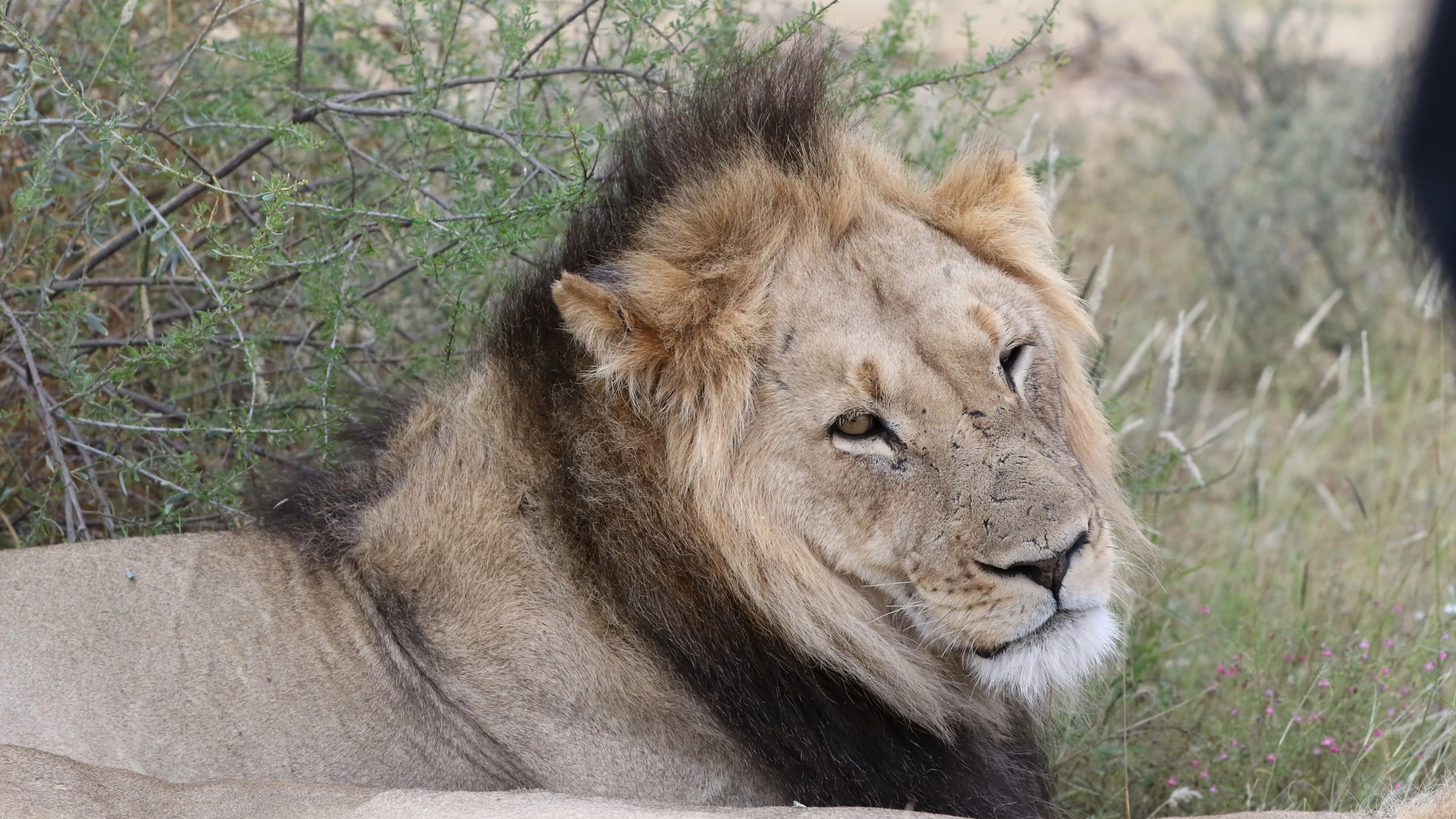
Atmospheric clarity in the Kalahari shifts dramatically with humidity and wind direction. Understanding these shifts helps photographers plan their daily shooting schedules around the best natural light.
Winter Light Strategy
From June to August, the sun stays low on the southern horizon, producing long shadows and soft, golden light throughout the day. Dry dust particles in the atmosphere create dramatic red and purple sunsets over open salt pans. Pack air blowers and sealed camera bags to protect digital sensors from microscopic sand dust carried by dry afternoon winds.
Summer Storm Strategy
January and February offer high-contrast landscape photography. Dense, dark cloud bases contrast against bright yellow grasslands illuminated by low sunlight. Positioning your vehicle on the eastern edge of Deception Pan allows you to photograph approaching storm fronts without getting caught in sudden flash downpours.
Practical Planning: Matching Ambitions to Weather Windows
Choosing your travel window comes down to personal priorities. If your main goal is seeing dense herds of springbok and active lion prides without driving thousands of kilometers through empty bush, book your trip between January and April. You will need a fully equipped 4×4 vehicle with recovery gear and dual battery systems. Check entry requirements on our visitor rules page before reserving campsites.
If you prefer vast silence, star-filled skies, and cold nights around a campfire, schedule your expedition between June and August. Perusing central kalahari game reserve reviews from self-drive veterans confirms that the dry season offers easier navigation on sandy tracks, though game viewing requires more effort. You can study track layouts and waterhole locations on our maps and navigation page to plan efficient driving routes. For travel logistics and driving distances from Maun or Gaborone, consult our transportation guide.
Frequently Asked Questions
Is the Kalahari Desert a hot or cold desert?
The Kalahari Desert is classified as a semi-arid desert that experiences both extreme heat and severe cold depending on the season. Summer daytime temperatures frequently surpass 40 degrees Celsius, while winter nighttime temperatures regularly drop below freezing due to its elevated plateau altitude.
What month is best for safari in Botswana and the Central Kalahari?
The best time to visit the Central Kalahari Game Reserve specifically is during the wet season from January to March. During these green months, massive herds of springbok, gemsbok, and zebras congregate in Deception Valley and Passarge Pan, bringing intense predator action from black-maned lions and cheetahs.
How cold does it actually get during winter nights in the CKGR?
Nighttime temperatures during June, July, and August frequently drop to between -2 and -5 degrees Celsius (23 to 26 degrees Fahrenheit). Travelers camping in ground tents or rooftop setups must bring arctic-rated sleeping bags, thermal base layers, and heavy fleece jackets for late night and early morning hours.
What is the Kalahari famous for during the wet season?
The Kalahari is famous for its dramatic green transformation when summer rains turn arid pans into lush grazing pastures. This rainfall triggers one of Africa’s most spectacular wildlife congregations outside the Serengeti, drawing thousands of desert ungulates and concentrated predator prides to open fossil riverbeds.
Are the park tracks impassable during the green season rains?
Certain sections of the park featuring heavy clay or black-cotton soil can become extremely slick and difficult to drive through after heavy downpours. Travelers must use a capable four-wheel-drive vehicle equipped with high ground clearance, mud-terrain tires, sand ladders, and tyre deflation tools to navigate safely.
Can you wear blue or white clothing on safari in Botswana?
Wearing bright white clothing is discouraged on game drives because it stands out against the natural bush landscape and can startle wildlife. Solid dark blue and black clothing should also be avoided because these colors attract biting tsetse flies in woodland zones, so neutral tones like khaki, beige, and olive green are recommended.