
Wildlife & Activities Guide
The Raw Heart of Botswana: Central Kalahari Game Reserve Activities & Wilderness
Covering approximately 52,800 square kilometres of scrubland, ancient salt pans, and fossil river valleys, the Central Kalahari Game Reserve is the largest remote reserve in Southern Africa. Sitting inside my Land Rover at Deception Valley as dawn lifts the gloom, the silence feels heavy and ancient. This is not a manicured safari park with tarmac ribbons and radios squawking position coordinates. It is an untamed expanse where survival requires sharp instinct, both for the wildlife and the self-drive travellers who enter its gates.
Understanding central kalahari game reserve history reveals how this landscape remained so wild. Created in 1961 as a sanctuary for the San people to maintain their traditional hunter-gatherer lifestyle alongside indigenous wildlife, the reserve preserved an ecological equilibrium intact for generations. While travellers often consult a central kalahari game reserve lonely planet guide for general routes, true immersion here demands a deeper respect for the terrain. Navigating these sands means carrying your own water, fuel, and firewood, while observing the subtle rhythmic shifts between dry dust seasons and lush summer greening.
The Kalahari does not yield its secrets to people in a hurry. You must sit quietly on a pan, switch off the ignition, and let the landscape adjust to your presence before the desert reveals its real life.
Predators of the Fossil Valleys: Lions, Cheetahs, and Elusive Hunters
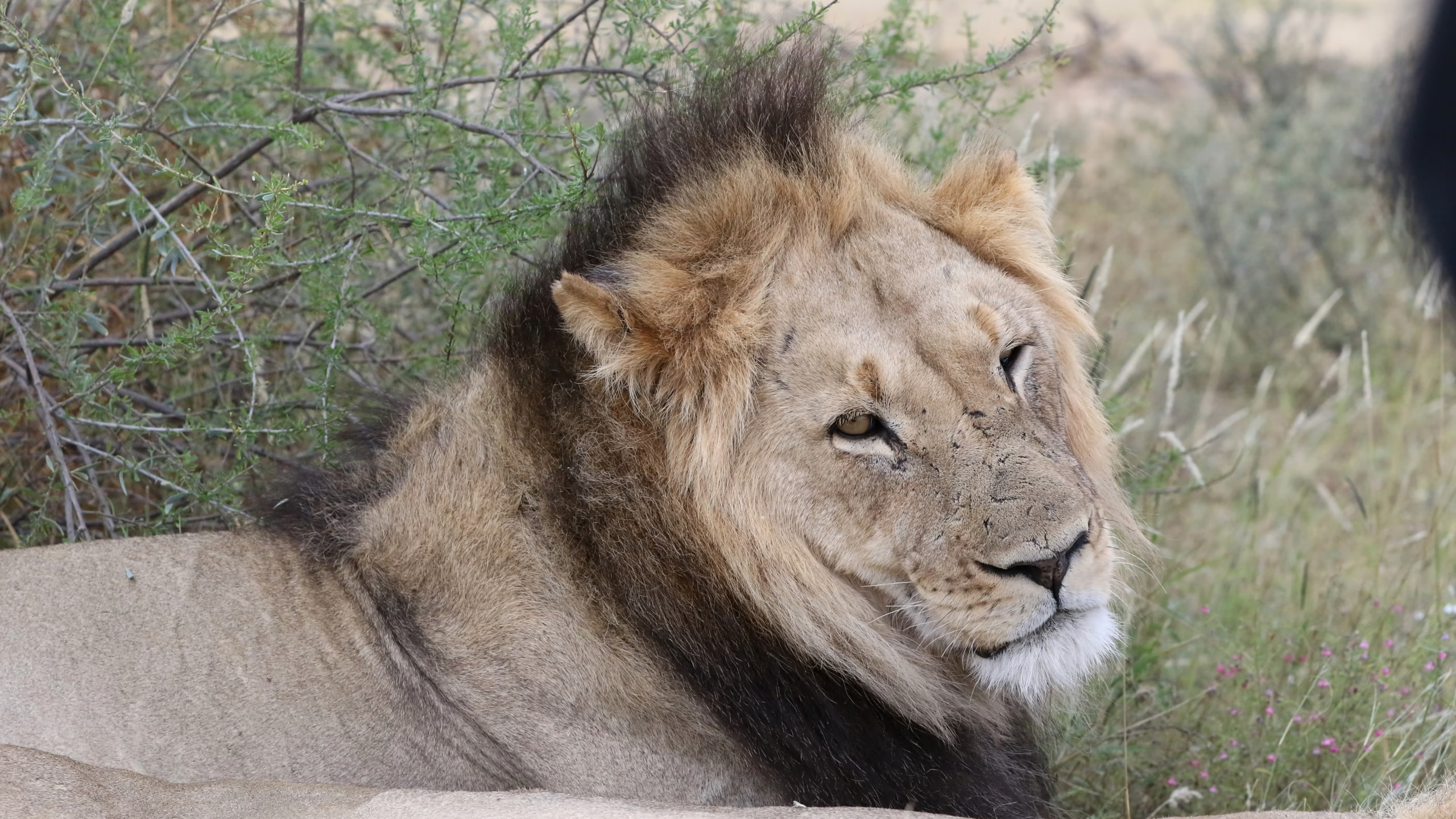
Black-Maned Lions & Kalahari Predators
Central kalahari game reserve animals have adapted to conditions that would break ordinary savannah species. The famed black-maned lions of Deception Valley are physically impressive specimens. Their heavy dark manes extend along their bellies, providing insulation during freezing winter nights and a menacing presence during territory disputes. These pride members cover massive distances in search of prey, enduring long stretches without surface water by drawing fluid directly from the blood and internal organs of their kill.
Tracking these apex predators along Passarge Valley or Sunday Pan requires watching the sky as much as the ground. Vultures circling high above acacia thickets often point toward a pride resting after a successful hunt. If you plan to explore these northern tracks, ensure your vehicle is prepped for soft sand by checking our 4×4 deep sand driving tips before setting off into teh hinterland.
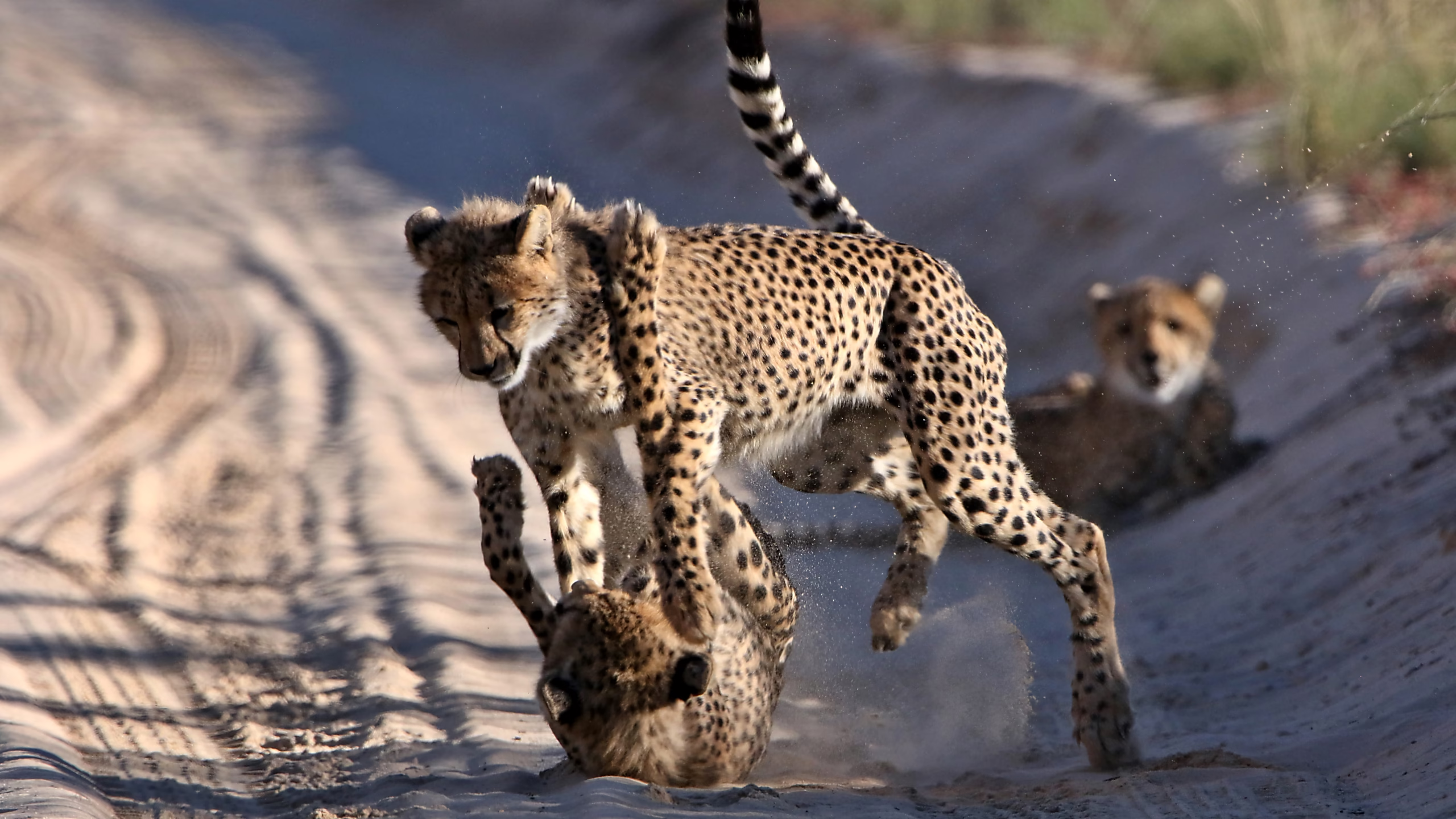
Cheetah Coalitions & Nocturnal Scavengers
The wide, flat expanses of Piper Pan and Sunday Pan offer ideal hunting grounds for cheetahs. Male coalitions patrol these open short-grass horizons where their lightning acceleration works best against springbok. Desert cheetahs hunt both at dawn and during bright moonlit nights when thermal heat subsides.
As dusk settles over camp, a different cast of predators emerges from underground burrows. Brown hyenas, recognizable by their long shaggy coats and striped legs, search the fossil river beds for carrion. Bat-eared foxes use oversized radar dish ears to locate subterranean harvester termites, while rare aardwolves feed almost exclusively on nocturnal insects. Finding these species demands slow, disciplined night observations around camp perimeters, keeping headlights lowered to protect delicate animal eyesight.
Desert-Adapted Nomads and Avian Marvels
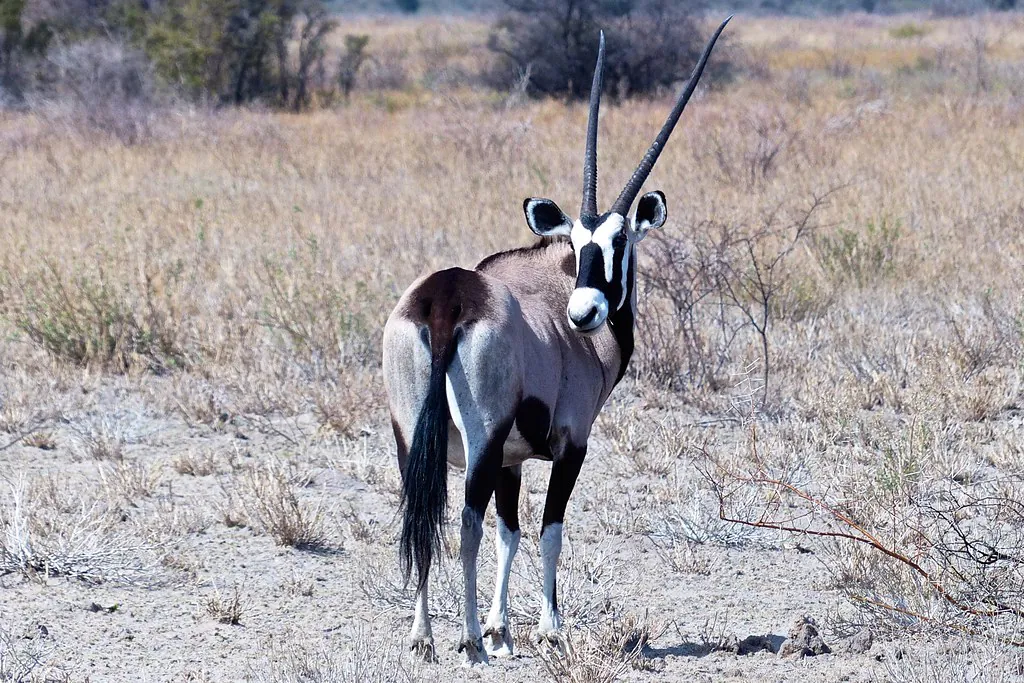
Resilient Desert Ungulates
Among the primary central kalahari game reserve activities is game driving through fossil riverbeds to observe desert ungulates. Gemsbok (Oryx) thrive here due to a specialized cooling system in their nasal passages that lowers blood temperature before reaching the brain. They satisfy their hydration needs by digging up tsama melons and deep tubers that retain moisture long after rain showers disappear.
Springbok gather in immense herds along Deception Pan during early morning hours. Their characteristic pronking leaps signal vitality to nearby predators like leopard or jackal. Blue wildebeest, red hartebeest, and massive eland herds trek vast circular paths across the reserve, following subtle scent cues carried on desert breezes that indicate distant rainfall.
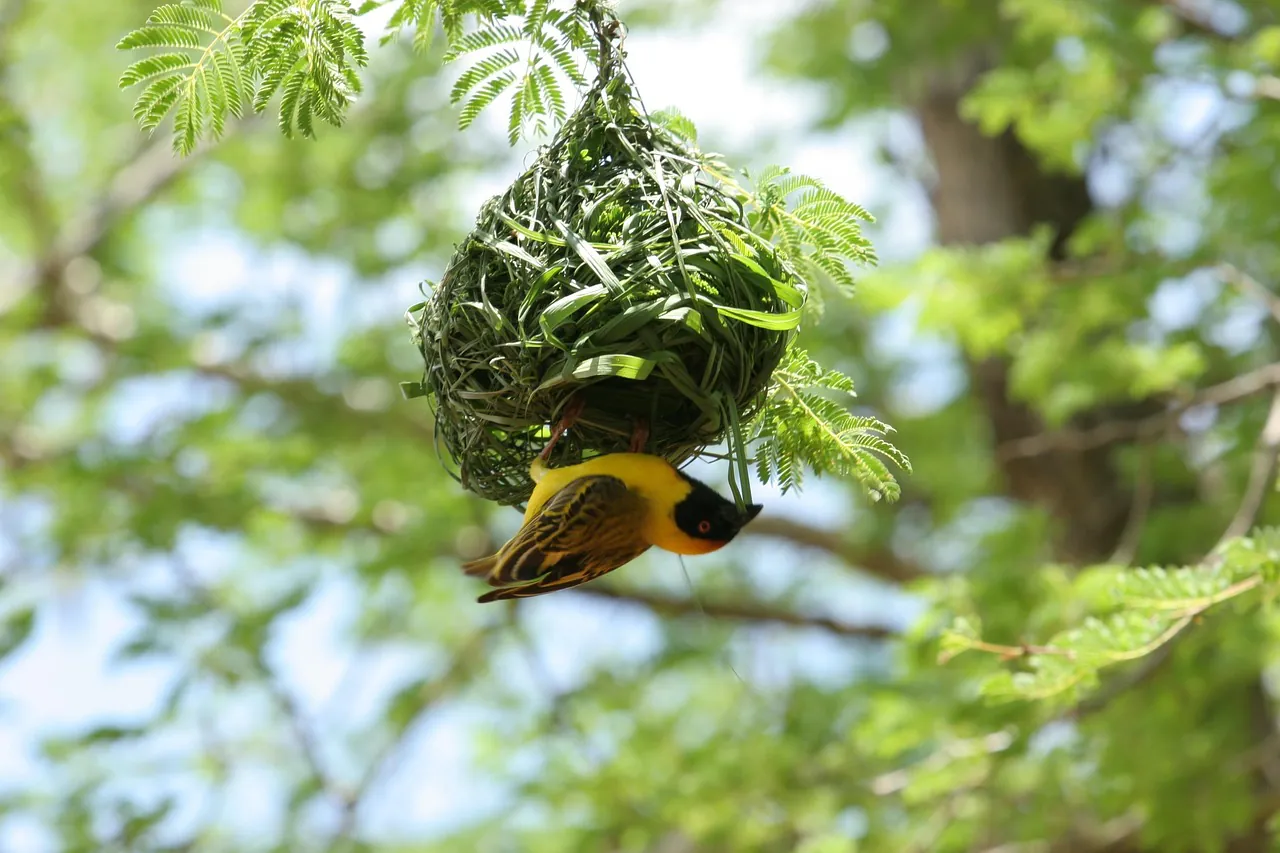
Raptors & Kalahari Avifauna
Birdwatching in this arid wilderness surprises many visitors. Over 250 bird species inhabit the reserve, with raptors commanding the upper sky. Tawny eagles, bateleurs, and martial eagles perch on dead camelthorn trees, scanning the grasslands for ground squirrels and lizards. Northern black korhaans provide a constant desert soundscape, shouting their harsh calls while performing dramatic aerial display dives.
Sociable weavers construct colossal communal grass nests on sturdy branches or telegraph poles, creating thermal shelters that buffer extreme desert temperatures for generations of birds. During sumer rain months, thousands of migratory species arrive, turning dry pans into brief hotspots of avian activity.
San Cultural Heritage: Walking with the First People
Ancient Bushcraft and Tracking Wisdom
The San people have inhabited the Kalahari basin for over 20,000 years, developing an unmatched ecological understanding of this harsh landscape. Participating in a guided bushwalk with San trackers offers a profound lens through which to experience the desert. These walks take place at early dawn when tracks in the sand remain crisp and easy to read before morning winds sweep them clear.
A masterclass in survival, a San-guided walk demonstrates how to harvest water from subterranean tubers, identify medicinal roots like the lavender feverberry, and start fires using simple hardwood sticks. San trackers interpret subtle animal spoor, telling you the species, age, direction, and pace of an animal from a single faint depression in the dust—an ancient skill set that drivers need to stay alert in. You can learn more about these practices on our dedicated guide to meeting the San people of the Kalahari.
Key Activities & Practical Safari Planning
Planning your itinerary involves choosing activities suited to the reserve’s seasonal rhythms. Self-drive game drives require careful timing around animal activity peaks, while guided bushcraft excursions are organized through local concessions or accredited tour operators. To book entry permits and campsites, consult the Department of Wildlife and National Parks (DWNP) or check regional travel details with the Botswana Tourism Organisation.
| Activity | Optimal Timing | Estimated Cost (2026 Rates) | Primary Location |
|---|---|---|---|
| Game Drives (Self-Drive) | Dawn & Late Afternoon | BWP 190 Park Fee / day | Deception, Passarge, Piper Pans |
| San Guided Bushwalks | 06:00 – 08:30 AM | ~$150 / day per group | Lodge concessions / Reserve borders |
| Night Stargazing | 20:00 – 23:00 PM | Included with camping | Wilderness Campsites (CKGR) |
| Green Season Birding | Dec to March | Standard entry fee | Fossil River Valleys |
The Green Season Phenomenon
Between December and March, summer rains transform the scorched brown landscape into green meadows. Sweet grass sprouts across Deception, Sunday, and Piper Pans, drawing thousands of springbok, gemsbok, and wildebeest. Predators follow these mobile grazing herds, making summer the prime period for dramatic hunting observations. Before reserving travel dates, review our breakdown on when to visit and Kalahari climate patterns to match your wildlife priorities with seasonal conditions.
Stargazing and Uninterrupted Night Skies
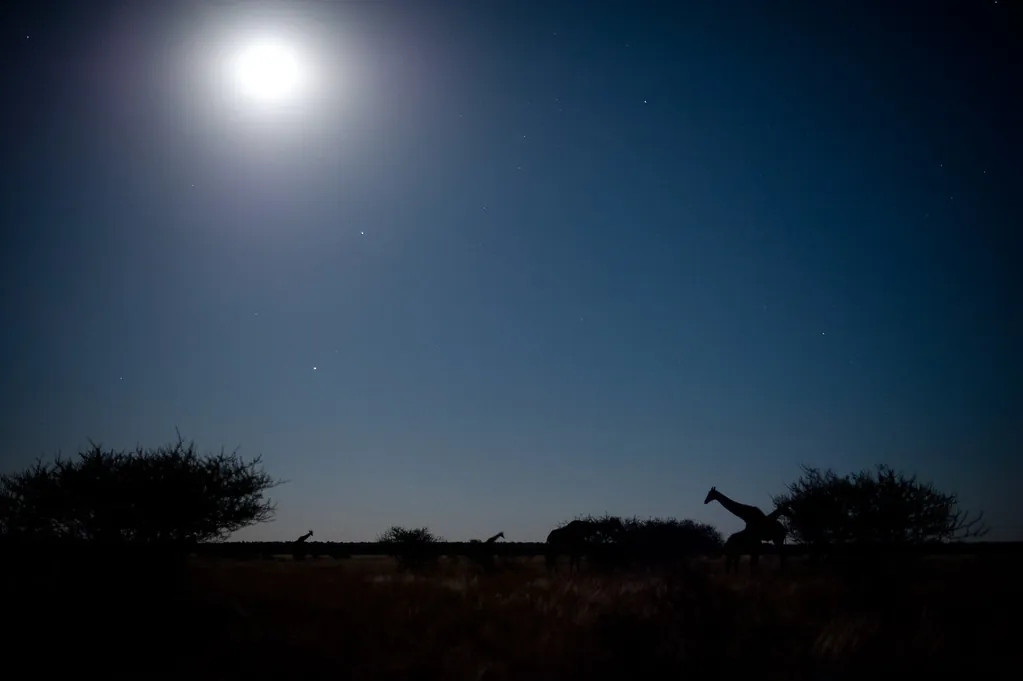
With virtually zero light pollution across tens of thousands of square kilometres, night skies over the Central Kalahari offer breathtaking astronomical clarity. Sitting beside a dying campfire at Kgalagadi or Passarge campsite, the Milky Way stretches overhead like a glowing powder trail. Planets shine with steady brightness, while shooting stars arc across the darkness every few minutes.
There are few places left on Earth where you can stand under a sky so dark that the light of the stars casts a distinct shadow on the desert floor beneath your feet.
Low-Impact Safari Ethics & Safety Guidelines
Maintaining safety and ecological integrity while exploring this wilderness requires strict compliance with reserve regulations. Always keep your vehicle on designated tracks to prevent damaging fragile soil crusts. When observing predators, keep a respectful distance and turn off engines to preserve natural animal behaviors. Campsites in the CKGR are unfenced, meaning lions and hyenas can stroll through camp at any hour.
- Never leave food, garbage, or water containers exposed outside your vehicle at night.
- Carry a minimum of 5 litres of drinking water per person per day, plus extra utility water for vehicle recovery.
- Always inform gate rangers of your intended routing and campsite schedule before entering deep tracks.
- Ensure you review the official park visitor rules and safety guidelines prior to departure.
- For details on campsite options inside and near the park, check our comprehensive accommodation and camping guide.
Whether you book multi-day organized expeditions through our guided safari options page or tackle the deep sand tracks in a fully equipped 4×4, the Central Kalahari offers an unvarnished encounter with wild Africa. Pack thoroughly, respect the silence, and prepare for an expedition that stays with you long after the red desert dust settles from your tyres.