Central Kalahari Game Reserve
Central Kalahari Game Reserve
Where fossil river valleys whisper ancient secrets, black-maned lions roam infinite salt horizons, and true off-grid solitude still exists.
Explore Kalahari Guide →3 Days Central Kalahari Game Reserve, Botswana
Chobe National Park Game Drive, Botswana
Full Day Tour to Chobe National Park and Botswana
Cape Town:Aquila Game Reserve Safari with Wine Tasting and Lunch
Aquila Big Five Game Reserve Safari with options from Cape Town
Safari Game Drive in Private Reserve out of Hoedspruit
1. The Infinite Horizons of the Central Kalahari
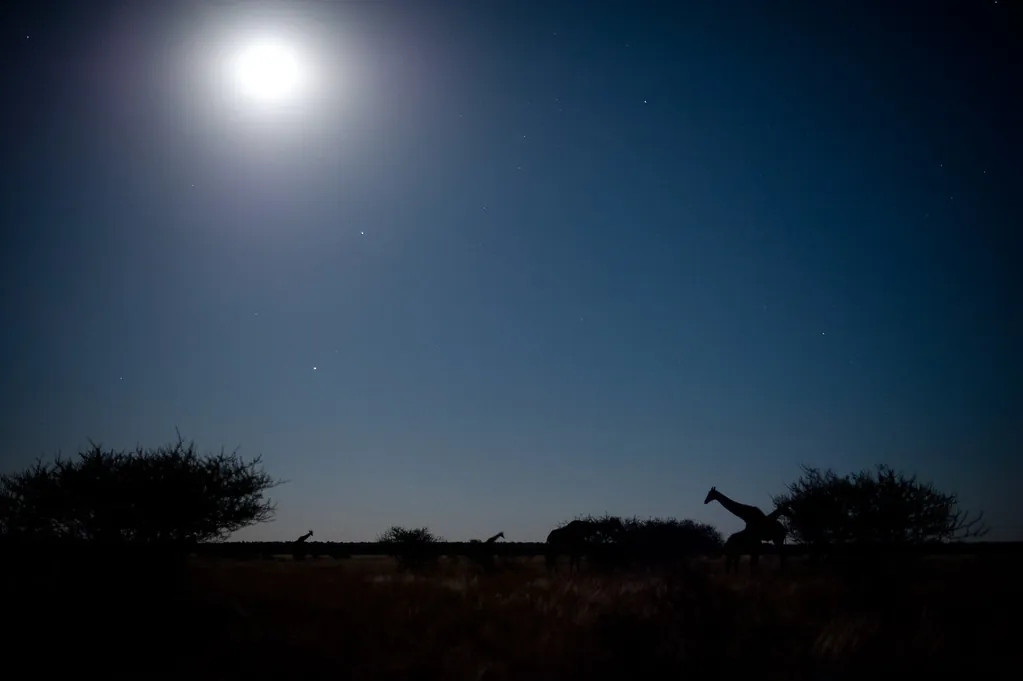
There is a specific moment, usually around four in the afternoon when the intense desert light softens into molten amber, that the Central Kalahari reveals its true character. The engine of my trusty Land Rover pinging as it cools down in the quiet, you sit on the wing and listen. What hits you first isn’t what you see, but the utter, absolute absence of human sound. No distant diesel hum, no flight paths overhead—just the whisper of dry wind through tall silver terminalia sand veldt and the low, resonant call of a kori bustard across the pan.
Spanning an extraordinary 52,800 square kilometres, the Central Kalahari Game Reserve (CKGR) is not merely a park; it is a raw, untamed landmass roughly the size of Denmark, swallowing nearly 9 percent of Botswana’s entire territory. Unlike the lush water-worlds of the Okavango Delta, the Kalahari tests you. It demands proper preparation, absolute self-sufficiency, and deep respect for its harsh seasonal swings. Yet for those who venture past the sandtracks of Matswere or Xade, it rewards with a purity of safari experience that has vanished almost everywhere else in Africa.
2. Scale and Geography: The Heart of Southern Africa
To truly grasp the central kalahari game reserve map, one must look back thousands of years. This is a land shaped by ancient climate shifts. What looks to the untrained eye like an endlessly flat expanse of bush is actually a complex tapestry of ancient fossil river valleys, vast clay pans, dwarf acacia scrub, and rolling sand dunes stabilized by vegetation.
The reserve forms the nucleus of the Kalahari Basin—the largest continuous expanse of sand on Earth. The key geographical features are the broad fossil valleys that slice across the northern and central regions: Deception Valley, Passarge Valley, and Letiahau Valley. During the rains, these dry riverbeds transform into emerald pastures of rich sweetgrass, drawing tens of thousands of ungulates and the predators that stalk them.
CKGR Reserve Fast Facts
3. The Living Desert: Climate, Seasons & Fossil River Valleys
Calling the Kalahari a desert can be technically misleading. Geologically, it is a semi-arid savanna or fossil desert because it receives far more rain than classic hyper-arid deserts like the Namib or Sahara. But do not let that fool you—the climate is brutally dynamic. Read our deep dive on Kalahari climate extremes for full details.
During the dry winter months (May to September), temperatures plummet to below freezing at night, coating your tent in frost, before surging to a pleasant 25°C by mid-day. By October and November, temperatures can scorch past 40°C. Then come the summer rains (December to April)—dramatic afternoon thunderstorms that crack across the horizons, filling the pans and initiating one of Africa’s most spectacular wildlife migrations.
Current Weather Conditions in the Reserve
Live telemetry from the Central Kalahari boundary station:
Plan your expedition around seasonal swings. Check our dedicated When to Visit & Weather Guide for historical rain patterns.
4. Legendary Wildlife: Black-Maned Lions & Desert Survivors
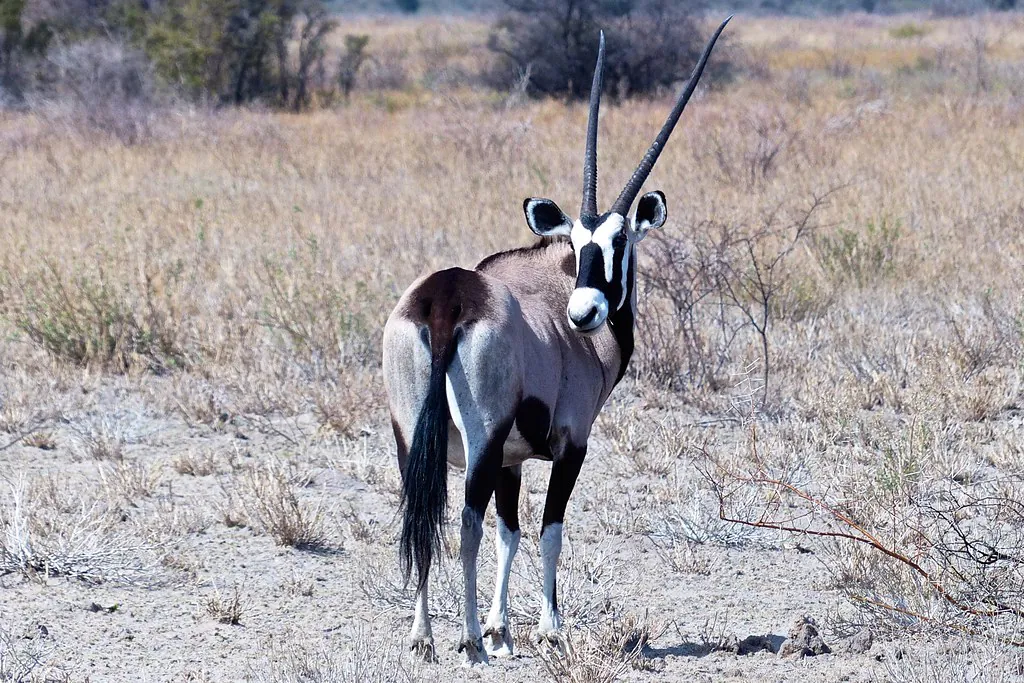
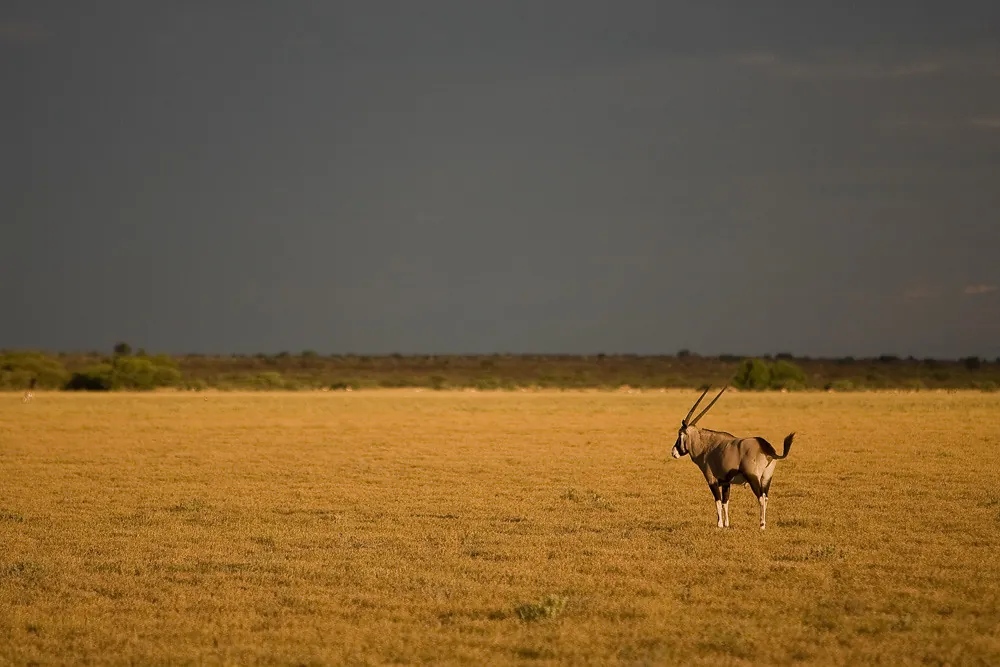
Wildlife in botswana central kalahari game reserve has evolved extraordinary adaptations to survive months without standing water. Gemsbok (oryx) can raise their body temperature to avoid sweating and water loss, while springbok extract liquid from moisture-rich roots and tubers dug up from the parched soil.
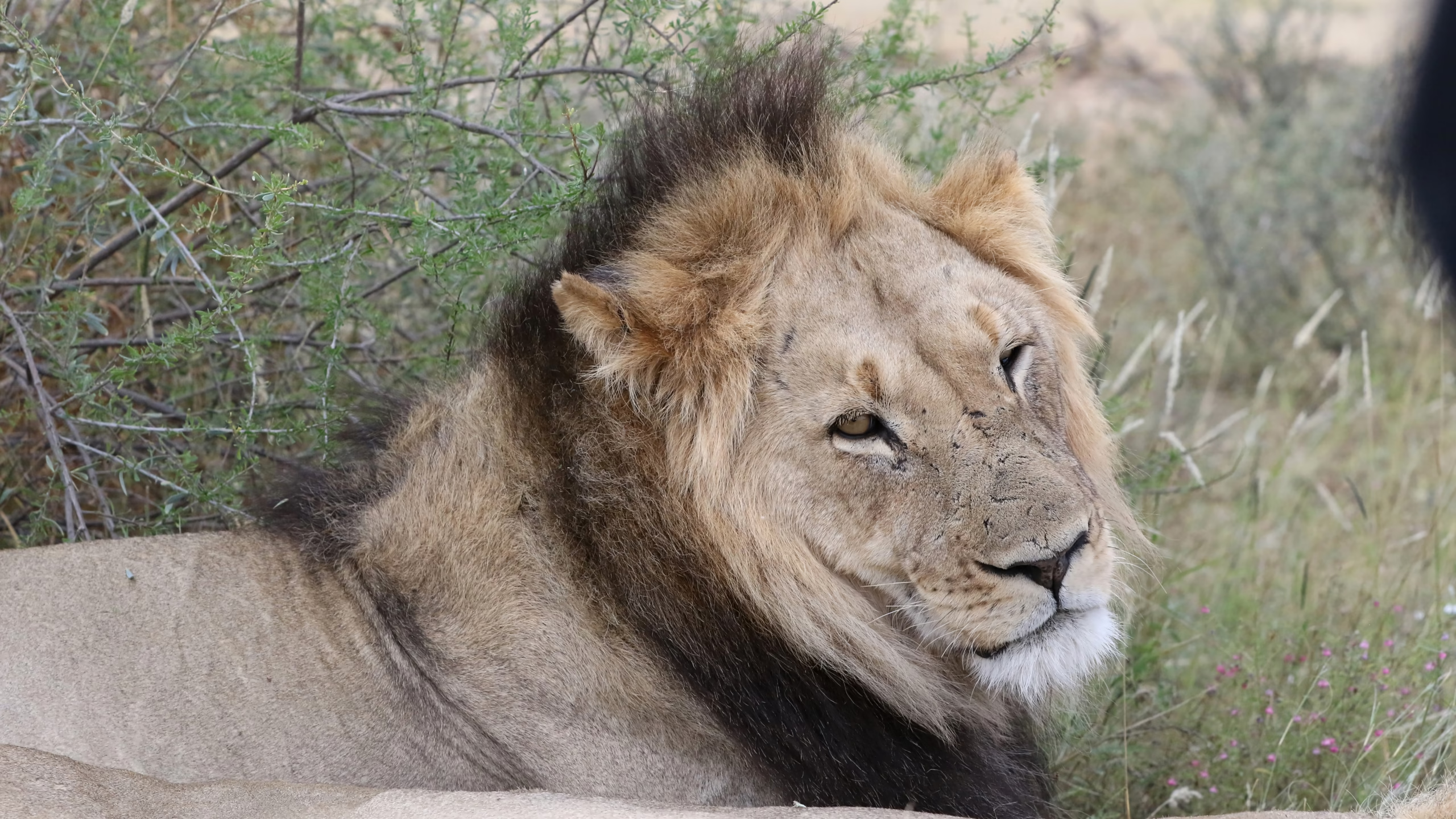
Then there are the apex predators. The Kalahari is world-famous for its magnificent black-maned lions. Their darker, fuller manes are thought to be a reaction to temperature regulation and dominance signaling in the open terrain, and their muscular bodies are honed by hunting across vast distances. Alongside lions, you’ll encounter elusive brown hyenas, swift cheetahs hunting across the open pans, leopards lingering in thickets around Tau Pan, and comical packs of bat-eared foxes foraging for termites in the twilight.
Must-Explore Regions of the CKGR
From historic riverbeds to remote southern salt pans, explore the distinct zones of the world’s second-largest game reserve.
Deception Valley
The iconic heart of the northern reserve, made famous by Mark and Delia Owens in Cry of the Kalahari. Famous for massive springbok aggregations and black-maned lion sightings.
Explore Campsites →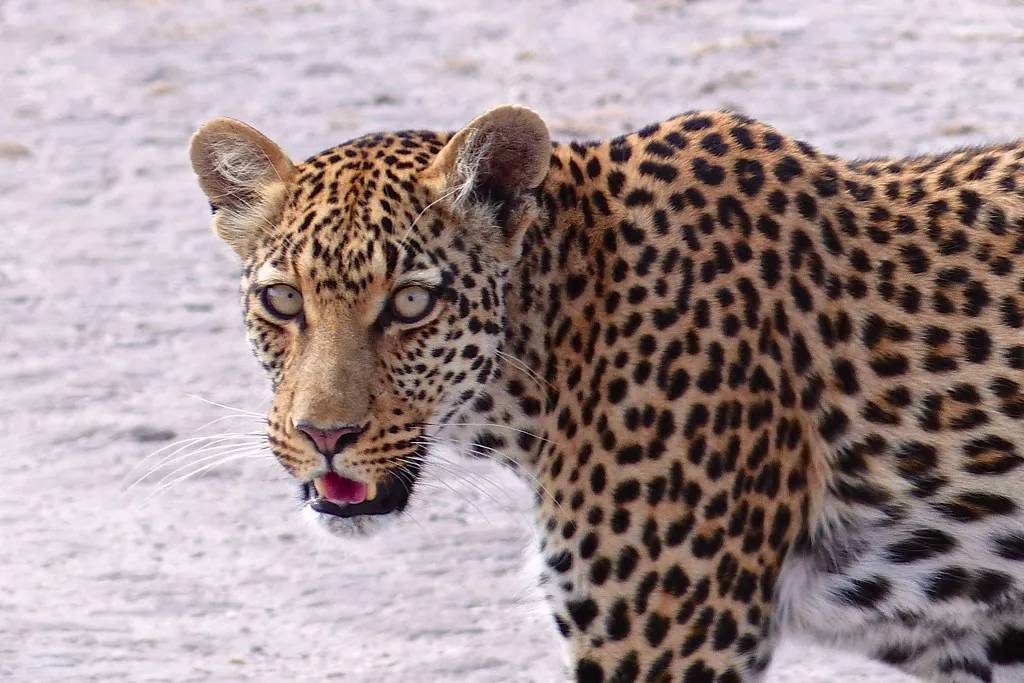
Passarge Valley
A tranquil, sweeping fossil valley running parallel to Deception. Ideal for spotting cheetahs on the prowl, red hartebeest, and raptors roosting in umbrella acacias.
View Valley Track Map →
Sunday Pan
Situated near a vital solar water borehole, Sunday Pan is a legendary hotspot for lion prides and thirsty brown hyenas, especially during dry winter afternoons.
Review Park Rules →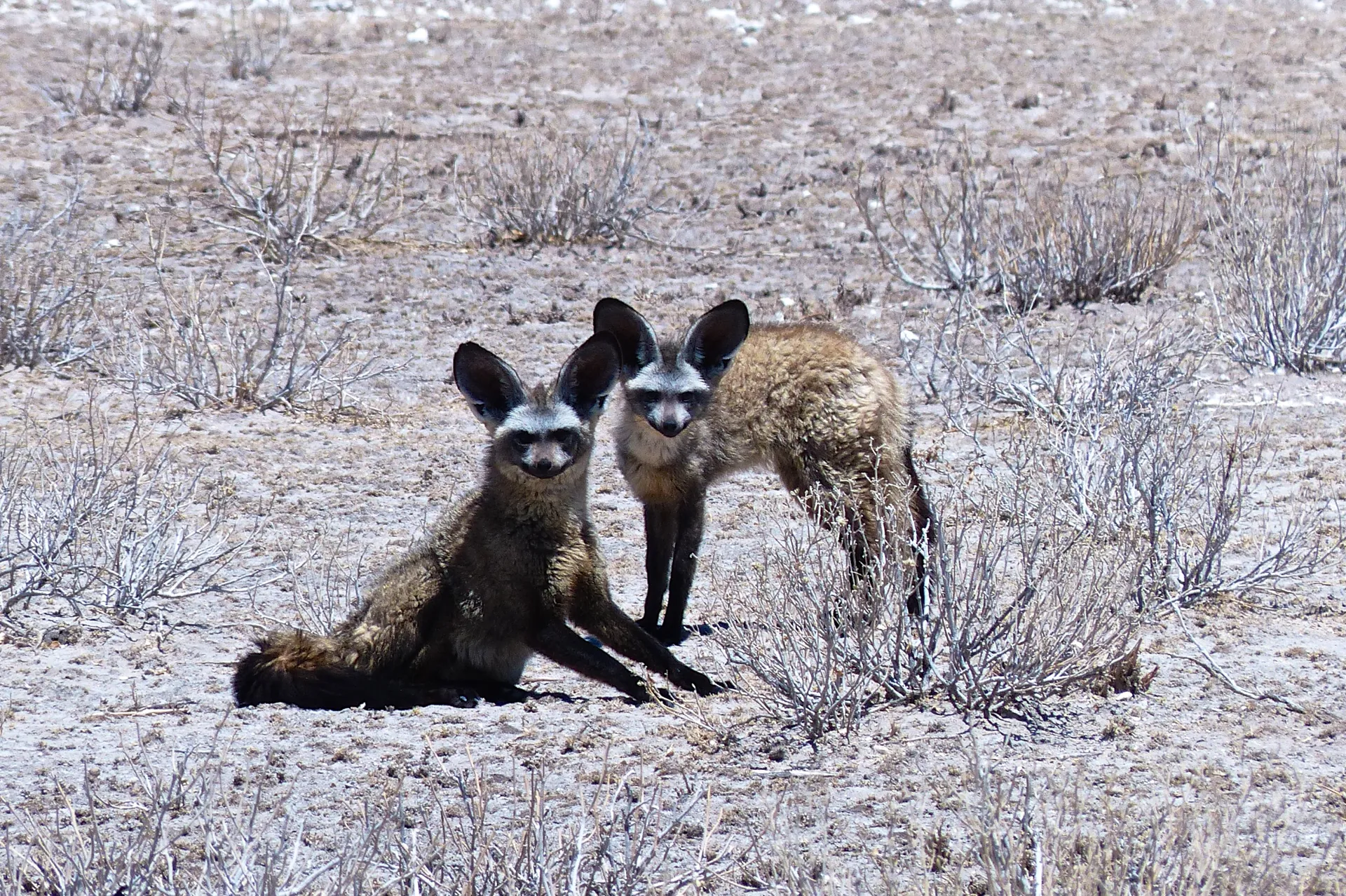
Piper Pan
Deep in the central circuit, Piper Pan offers dramatic white expanse, frequent cheetah sightings, and incredible birdlife following summer rains.
Check Distance & Access →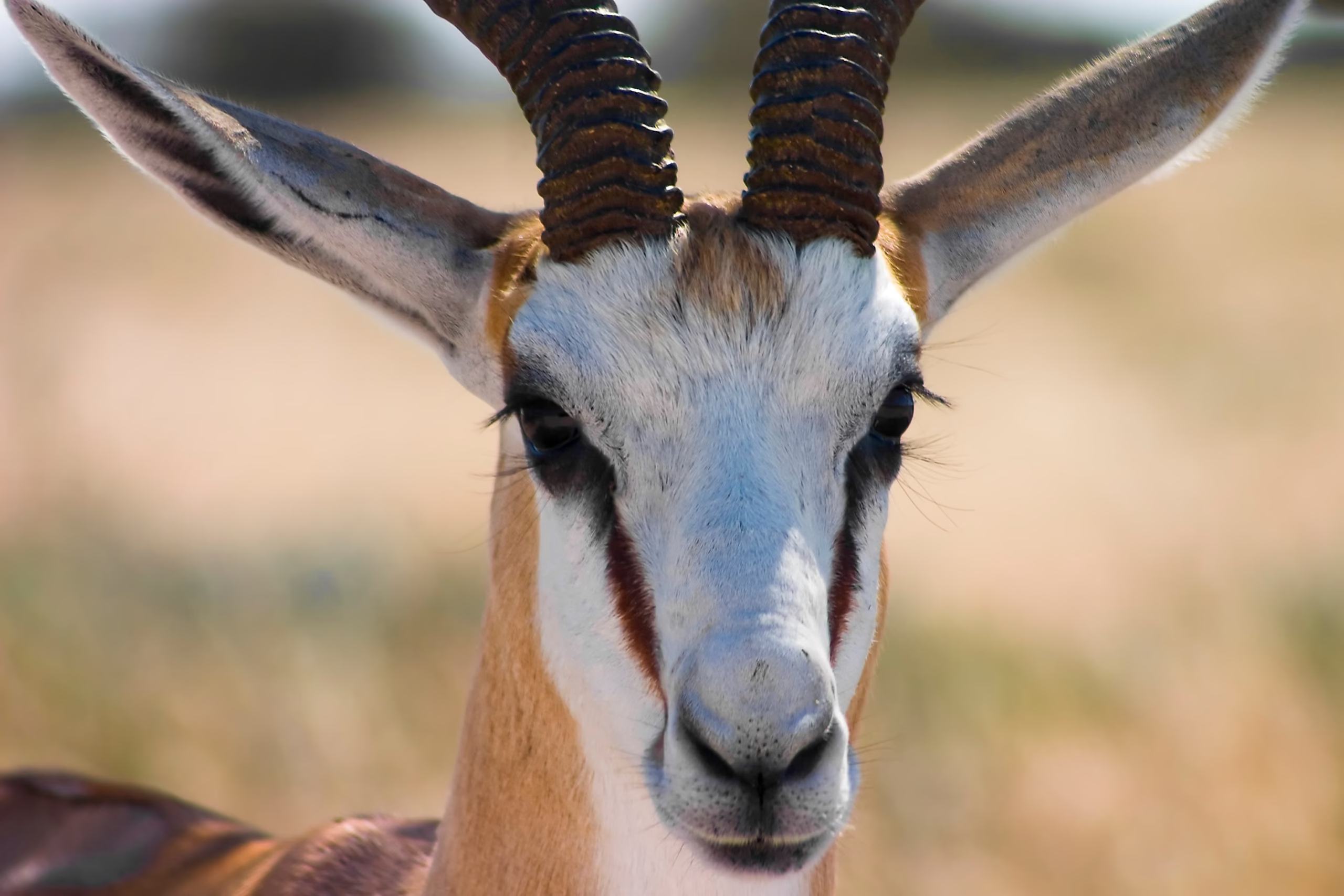
Tau Pan
Overlooking a permanent waterhole in the northwest, Tau Pan provides elevated views across the veldt and is home to high-end eco-luxury lodge experiences.
View Luxury Lodges →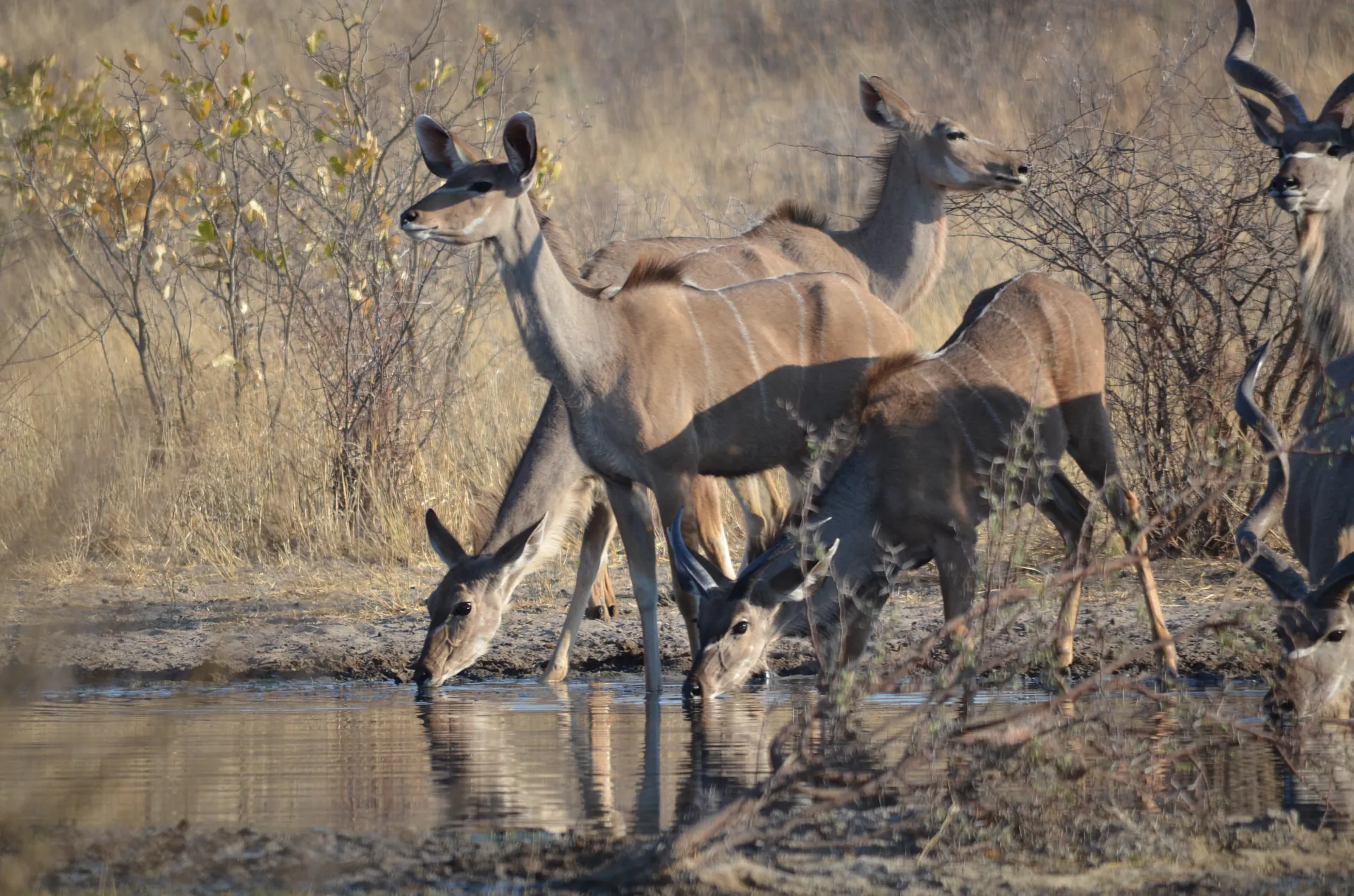
Xade & Matswere Gates
The primary entry portals into the reserve. Essential hubs for park ranger check-ins, permit verification, tyre air stations, and final safety advice.
Permit & Fee Info →Core Kalahari Safari Activities
Whether you are piloting a self-drive rig across soft sandtracks or tracking wildlife with experienced guides, prepare for raw bushcraft.
4×4 Self-Drive Expeditions
Test your off-road skills across deep sand ridges, corrugated tracks, and isolated bush campsites. Complete self-sufficiency is required.
Read 4×4 Safety Guide →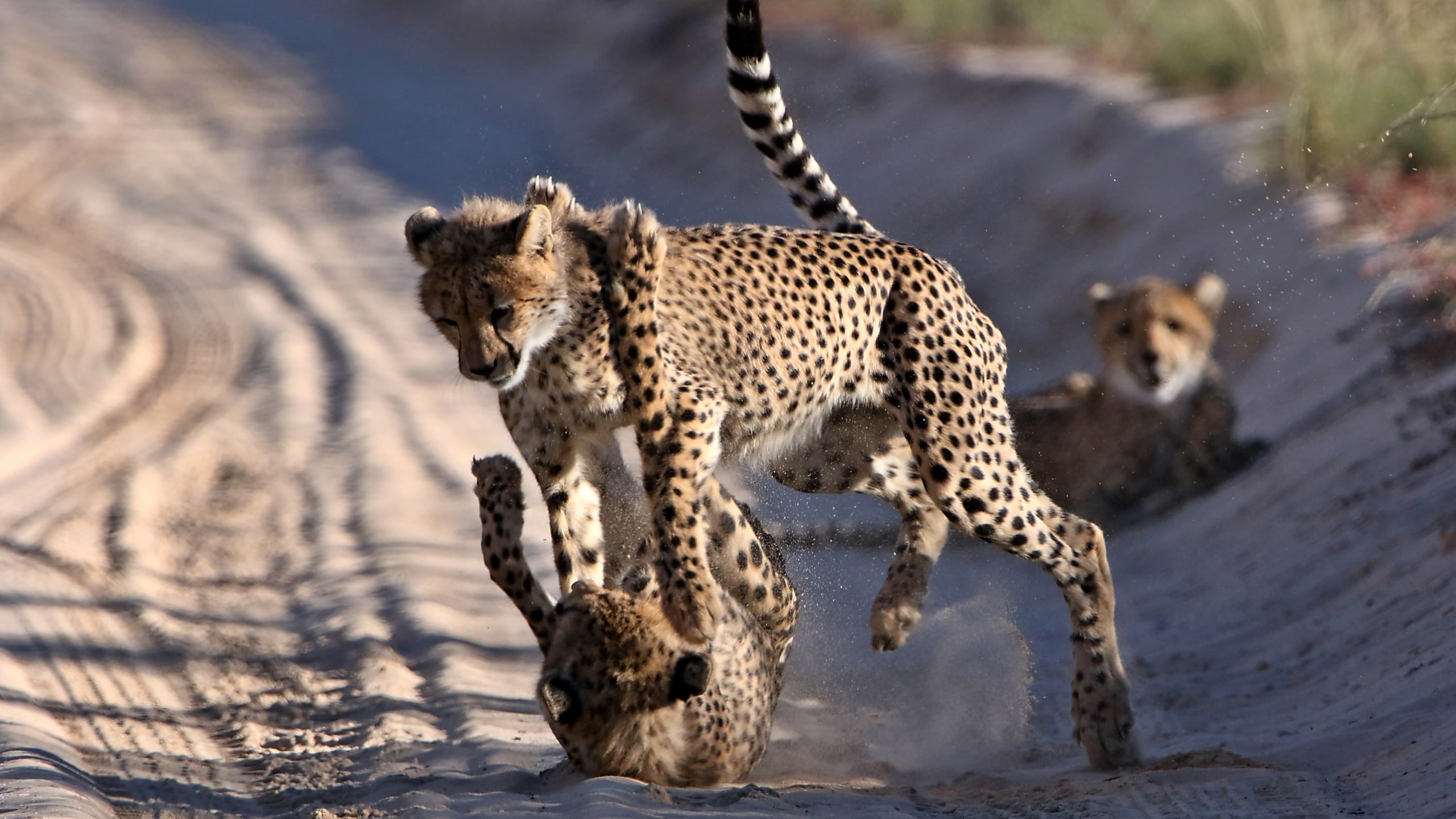
Predator & Wildlife Tracking
Spend mornings scanning early prints along the sandtracks to track black-maned lions, elusive leopards, and cheetah coalitions hunting across open pans.
Explore Wildlife Guide →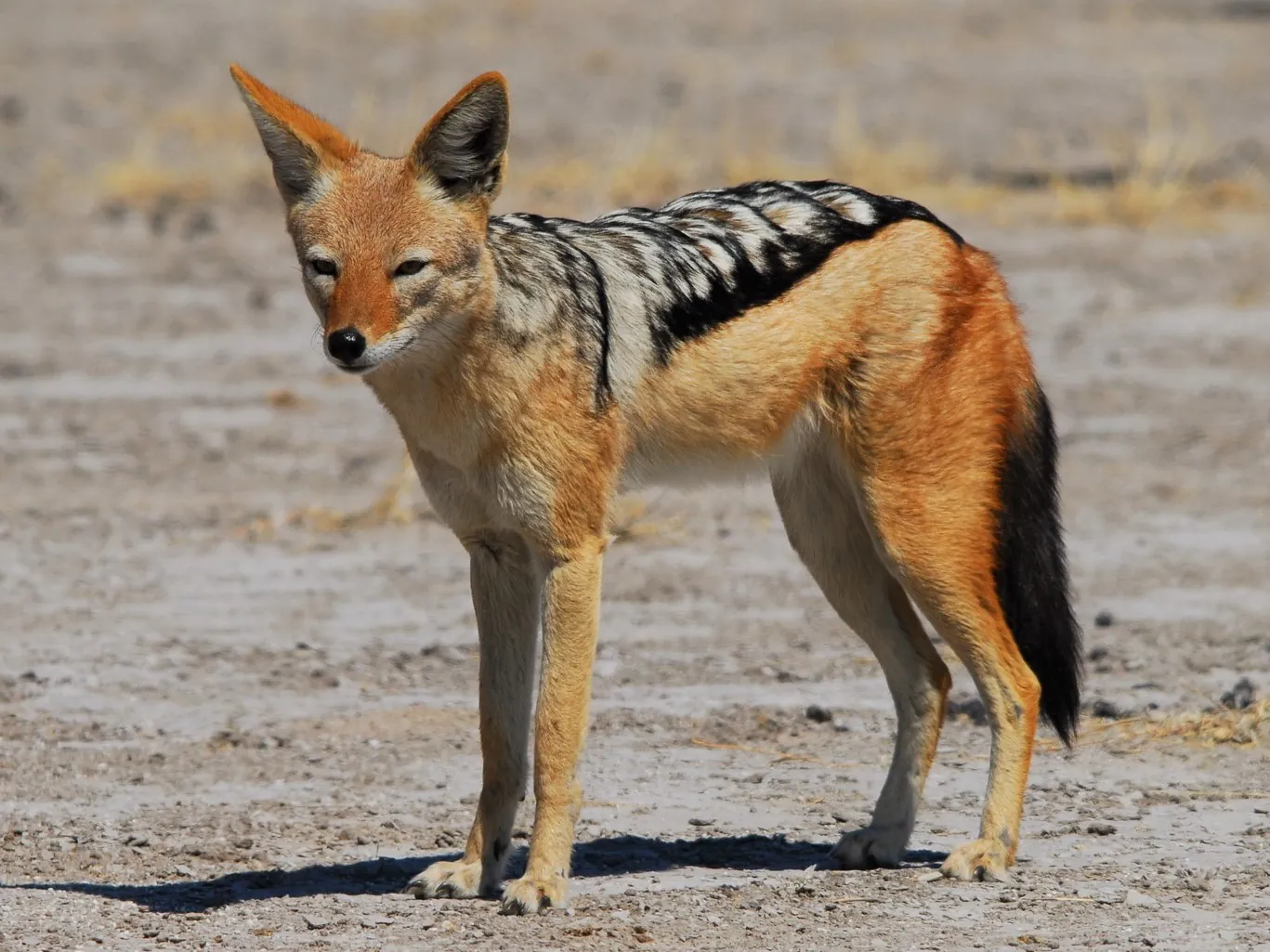
San Cultural Walks
Learn ancient survival lore, bush medicine, and tracking techniques directly from local San trackers whose ancestral ties to the Kalahari span millennia.
San Heritage Article →5. Cultural Heritage: Footprints of the San People
The history of the central kalahari game reserve is intrinsically tied to the San (Bushmen), who have inhabited these arid landscapes for over 20,000 years. In fact, the reserve was originally created in 1961 as a protected sanctuary to preserve the San’s traditional lifestyle and hunting grounds, safeguarding them from encroaching cattle farming.
Walking through the bush with a San tracker is a humbling lesson in human adaptability. Where an untrained eye sees only prickly bushes and parched soil, a San guide sees a full apothecary, a source of clean water stored in underground tubers, and an intricate record of animal movements written in the dust. Read our full story on Meeting the San in the Kalahari to understand their living heritage and legal journey.
6. Essential Logistics: Permits, DWNP & Entry Gates
Planning a trip to the central kalahari game reserve botswana requires strict advance preparation. You cannot simply turn up at the gate and buy a camping spot; permits are strictly controlled to maintain wilderness density.
- Park Entry Fees (2026 Rates): International visitors pay BWP 190 per adult per day. Foreign-registered vehicles incur a separate daily fee of BWP 75, managed by Botswana’s Department of Wildlife and National Parks (DWNP).
- Official Bookings: Entry permits and DWNP campsites (Matswere, Tsau, Xade gates, and Deception, Kori, San pans at BWP 40) must be reserved via the DWNP Central Reservations Office in Gaborone (+267 318 0774 / +267 397 1405, email: [email protected]).
- Concession Campsites: Prime sites like Piper Pan, Sunday Pan, Passarge Valley, and Letiahau are managed by Bigfoot Tours (+267 395 3360, email: [email protected]) at approximately BWP 350 per person per night.
Check out our comprehensive Visitor Rules & Guidelines before finalizing your itinerary.
7. Campsite Breakdown: From Remote Wilderness to Luxury
Accommodation in the CKGR falls into two primary categories: unfenced wilderness campsites and exclusive eco-lodges. Review our Accommodation & Campsites Guide for full maps and availability tips.
| Campsite / Location | Operator | Facilities | Key Highlight |
|---|---|---|---|
| Kori & Deception Pans | DWNP | Pit latrine / Bucket shower structure (No water) | Prime lion territory in central valley |
| Sunday & Passarge Pans | Bigfoot Tours | Basic wilderness shade / Pit latrine | High cheetah density & waterhole proximity |
| Piper Pan | Bigfoot Tours | Unfenced wilderness bush site | Unmatched night skies & remote solitude |
| Tau Pan Lodge | Kwando Safaris | Luxury tented suites, pool, full service | Permanent solar waterhole panoramic view |
8. Tackling the Tracks: 4×4 Driving in Deep Kalahari Sand
Driving in the Kalahari is not for the faint-hearted. Sandtracks can be thick, rutted, and unforgiving, particularly during dry winter months when the sand loses all cohesion. If you lack off-road experience, read our dedicated tutorial on Navigating Deep Sands in Botswana.
Key driving directives include: airing down tyres to 1.2–1.4 bar before hitting the sandtracks, maintaining steady momentum without sudden braking, carrying a high-lift jack, sand ladders, and dual spare tyres. Also remember that in dense summer grass, dry seeds can pack into your radiator and exhaust—carry a seedscreen on your front grille to prevent engine fires!
9. When to Go: Green Season vs Dry Winter
Choosing when to visit depends on whether you seek vast wildlife spectacles or easier track conditions:
- Green Season (Dec – Apr): The desert bursts into lush life. Thousands of zebra, gemsbok, and springbok drop calves in Deception Valley. Birdwatching is sublime. However, tracks can turn into slick mud or heavy sand, requiring high ground clearance.
- Dry Winter (May – Sep): Mild days, icy nights, clear skies, and concentrated wildlife around key boreholes. Tracks are dry but deep sand can test vehicle power.
10. Off-Grid Self-Sufficiency Checklist
Remember: there are no fuel stations, grocery stores, or water taps inside the reserve. Matswere and Xade gates do not supply drinking water. You must pack for absolute independence.
Water & Food Supply
- Min. 5 Litres drinking water per person/day
- Extra 20L emergency utility water per vehicle
- All food & non-perishable rations for full stay
- Heavy-duty trash bags (Pack out ALL waste)
Vehicle & Fuel Rigging
- Long-range fuel tank + 2 extra 20L jerrycans
- Dual battery system & 12V air compressor
- 2 fully inflated spare tyres + repair kit
- Front seedscreen to prevent grass buildup
Recovery & Gear
- Sand tracks / Maxtrax recovery boards
- Heavy-duty snatch strap & shackles
- Satellite phone or Garmin InReach device
- Detailed physical map / Offline GPS tracks
11. Interactive Map & Navigation
Navigating the vast grid of sandtracks requires careful route planning. Distances between valleys may look small on paper, but low-range driving means average speeds rarely exceed 20 to 30 km/h. For detailed coordinate overlays, review our How to Get to Central Kalahari Guide.
12. Exploring Further: Essential Kalahari Planning Links
Ready to plan your expedition into Botswana’s magnificent interior? Explore our full collection of specialized guides: