
Safety and Health Tips for Travelers in Botswana
Route & Entry Logistics
Plan your driving routes, fuel stop locations, and entry gate permits before entering the reserve interior.
Campsite Reservations
Discover available wilderness campsites, lodge options, and booking steps across the Central Kalahari.
Route & Entry Logistics
Plan your driving routes, fuel stop locations, and entry gate permits before entering the reserve interior.
Campsite Reservations
Discover available wilderness campsites, lodge options, and booking steps across the Central Kalahari.
The Central Kalahari Game Reserve is not a place that suffers fools. When you are three hours of hard, low-range four-wheel driving away from the nearest borehole, a minor mistake turns into a serious logistical crisis very quickly. Staying safe out here requires an understanding of the environment and proper preparation before you turn the ignition in Gaborone or Maun. Many anxious travelers ask is it safe to go to botswana right now, and the answer is a resounding yes, provided you treat this vast wilderness with the profound respect it demands.
Understanding the Kalahari Environment: Why Health and Safety Matter Differently Here
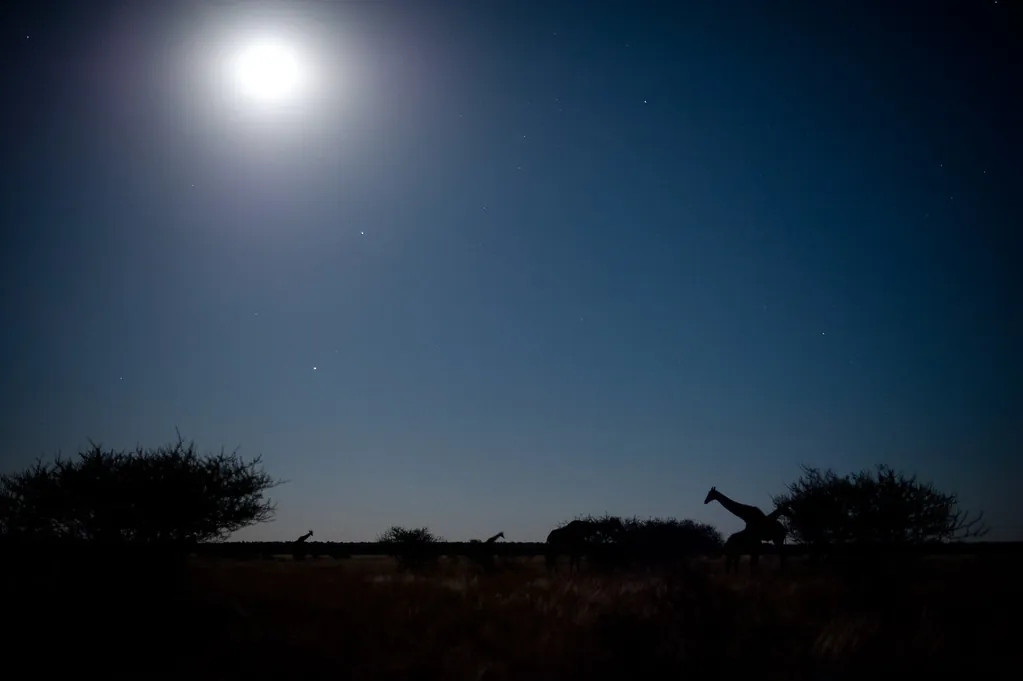
Isolation is the defining characteristic of this landscape. Unlike the crowded national parks of East Africa or the bustling safari hubs of the Okavango Delta, the reserve offers true solitude. That isolation means help is rarely just around the corner. Medical infrastructure is non-existent within reserve boundaries, and cellular reception vanishes completely once you pass the gates. Preparing for a journey into these fossil river valleys means relying entirely on your own gear, vehicle, and common sense. While forums on central kalahari game reserve tripadvisor threads discuss general safety, real survival in the interior depends on cold calculations made long before you hit the sand.
Pre-Departure Health Preparations and Routine Immunizations
Before leaving home, you must ensure your routine immunizations are up to date. Medical professionals typically recommend vaccinations for Tetanus, Polio, Hepatitis A, and Typhoid when traveling to rural Botswana. Depending on your broader itinerary through southern Africa, you might also need proof of Yellow Fever vaccination if arriving from or transiting through an endemic zone. It is wise to consult a travel clinic at least six weeks before departure to get your health administration sorted properly.
The Malaria Reality: Low Risk in the Central Kalahari Versus Northern Endemic Zones
Many travelers worry endlessly about malaria when planning a trip to Botswana, but the geographical reality is quite specific. The central and southern regions encompassing the reserve are generally low-risk or malaria-free zones. However, if your trip combines the Kalahari with northern wetlands like Chobe National Park or the Okavango Delta, the risk profile changes dramatically, especially during the wet summer months from November to May. Always check current health advisories with the World Health Organization before finalizing your prophylactic medication regimen.
Water Purity, Hydration, and Avoiding Food-Borne Illnesses
Tap water in major towns like Gaborone and Maun is generally treated, but once you enter the deep bush, borehole water can be heavily mineralized or microbiologically unsafe. We always carry a minimum of five to seven liters of drinking water per person per day, plus a robust filtration system or purification tablets as a backup. Dehydration creeps up insidiously in teh dry desert air because sweat evaporates almost instantly. Store your food securely in heavy plastic trunks to keep out dust and opportunistic camp scavengers, and maintain strict hygiene standards when preparing meals over an open fire.
Extreme Desert Climate Management: Managing Heatstroke, Dehydration, and Hypothermia
The Kalahari plays by extreme climatic rules. Summer temperatures regularly soar past forty degrees Celsius, turning tents into ovens and draining body fluids at an alarming rate. Conversely, winter nights plummet well below freezing, catching many unprepared campers off guard. Layering your clothing and investing in a sub-zero sleeping bag are absolute necessities if you are visiting between May and August. You can read more about these intense temperature swings in our Kalahari climate guide. Do not underestimate the sun; a broad-brimmed hat, polarized sunglasses, and high-SPF sunscreen are your best defense against severe heat exhaustion.
| Season | Average Day Temp | Average Night Temp | Primary Climate Hazard |
|---|---|---|---|
| Summer (Nov – Apr) | 38°C to 42°C | 20°C | Extreme heat, dehydration, sudden electrical storms |
| Winter (May – Oct) | 22°C to 28°C | -5°C to 5°C | Severe night frost, hypothermia, extreme dryness |
Emergency Medical Evacuation and Comprehensive Travel Insurance Essentials
Standard travel insurance policies often fail to cover remote wilderness adventure activities or emergency bush flights. You must verify that your policy explicitly includes emergency medical evacuation from remote areas in southern Africa. Specialized providers such as Okavango Air Rescue supply crucial helicopter evacuation services for travelers stranded in isolated game reserves. Keep your policy documents and emergency contact details printed out in your glove compartment because digital files do no good when your phone battery dies.
Unfenced Wilderness Camping: Navigating Campsite Safety Protocols
Campsites inside the reserve are entirely unfenced, meaning spotted hyenas, lions, and black-backed jackals wander freely through your living space at night. Before setting up camp, review the official visitor rules and guidelines to ensure your camp layout minimizes conflict. Never leave food, dishwater, or trash out in the open, and always secure food boxes inside your vehicle before turning in. When walking around camp after dark, use a high-powered torch to scan for reflective eye shine in the grass, which is a vital habit that you must stick to.
“Treat every animal in the reserve with absolute caution. Never run if you encounter a predator on foot, and always keep children within arm’s reach during camp setup.” — Julian Thorne
Wildlife Safety Rules: Respecting Predators, Herbivores, and Nocturnal Visitors
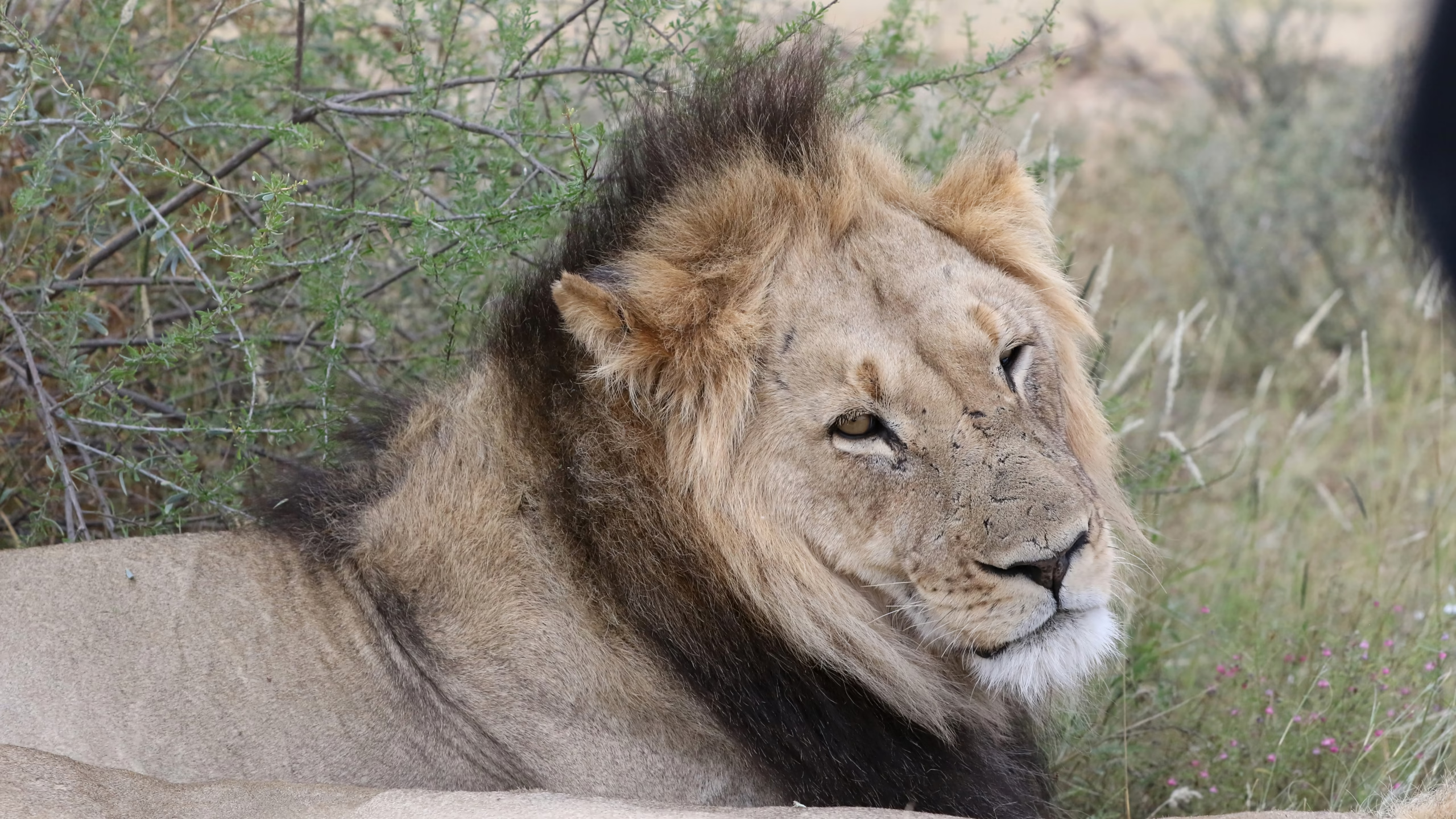
Observing wildlife from a vehicle creates a false sense of security, but large mammals require immense personal space. Elephants and gemsbok can become aggressive if cornered near waterholes or along narrow bush tracks. Never step out of your vehicle unless you are at a designated picnic site or fenced hide, and even then, scan the surrounding acacia scrub thoroughly. Approaching cheetahs or Kalahari lions on foot is foolish and strictly illegal. You can explore our wildlife guide for detailed behavioral tips on individual species.
Vehicle Emergency Protocols: What to Do If You Break Down or Get Stuck in Deep Sand
Getting bogged down in fine, powdery sand happens to even the most experienced off-road drivers. If you lose momentum, stop immediately rather than spinning your tyres down to the differential. Lower your tyre pressures, shovel sand away from the chassis, and deploy sand ladders. Our detailed 4×4 deep sand recovery guide breaks down these mechanical steps in depth. Should your engine fail completely in the interior, stay with your vehicle at all times because it provides shade, shelter from predators, and an easy target for search aircraft.
Staying Connected: Satellite Communication and Emergency Contact Numbers
Conventional cellular networks stop working shortly after you pass through the park entrance. Carrying a satellite phone or a GPS messenger like a Garmin inReach is not optional if you are traveling independently. In the event of a severe health crisis, dial 997 for national emergency medical services or contact the Department of Wildlife and National Parks (DWNP) via satellite radio relay. For organized multi-day itineraries led by professional guides who handle satellite logistics for you, browse our safari tickets and tour packages.
First Aid and Managing Environmental Hazards: Scorpions, Snakes, and Ticks
The Kalahari floor is home to various desert-adapted creatures that seek cool shelter under rocks, tents, and groundsheets. Always shake out your boots and clothing before putting tehm on in the morning to avoid sting operations from Parabuthus scorpions. Keep a comprehensive first aid kit stocked with antihistamines, broad-spectrum antibiotics, sterile bandages, and snakebite compression bandages. Ticks can carry tick-bite fever, so wearing long trousers tucked into socks during evening camp chores is a wise habit.
Cultural Respect and Safety: Engaging Responsibly with the San Communities
Interacting with the indigenous San people offers profound insights into ancient survival strategies in an unforgiving climate. Respect their privacy and cultural heritage by asking permission before photographing individuals or homesteads. If you wish to learn more about their rich heritage and ethical village visits, read our guide on meeting the San of the Kalahari. Supporting community-run tracking walks ensures your visit directly benefits local livelihoods while providing an unforgettable bush experience.
Route & Entry Logistics
Plan your driving routes, fuel stop locations, and entry gate permits before entering the reserve interior.
Campsite Reservations
Discover available wilderness campsites, lodge options, and booking steps across the Central Kalahari.