
Decoding the Kalahari: Hot, Cold, and Extreme Climates
People call the Central Kalahari a desert, but anyone who has spent a proper week shivering in a rooftop tent during a July frost knows that simplistic label misses the mark completely. Visitors often ask, is the kalahari desert a hot or cold desert? The short answer is that it is uncompromisingly both. Spanning approximately 52,000 to 55,000 square kilometres (nearly 13 million acres), the Central Kalahari Game Reserve (CKGR) is one of the largest protected wilderness spaces on earth. The Tswana word Kgala or Kgalagadi translates to “the great thirst” or “a waterless place,” a fitting name for a region defined by intense climatic swings. Rather than a shifting sea of hyper-arid sand dunes like the Namib, the Kalahari is technically a fossil desert or semi-arid sand savanna, stretching across Botswana, Namibia, and South Africa.
Defining a Fossil Desert: Ancient Drainage Systems and Valleys
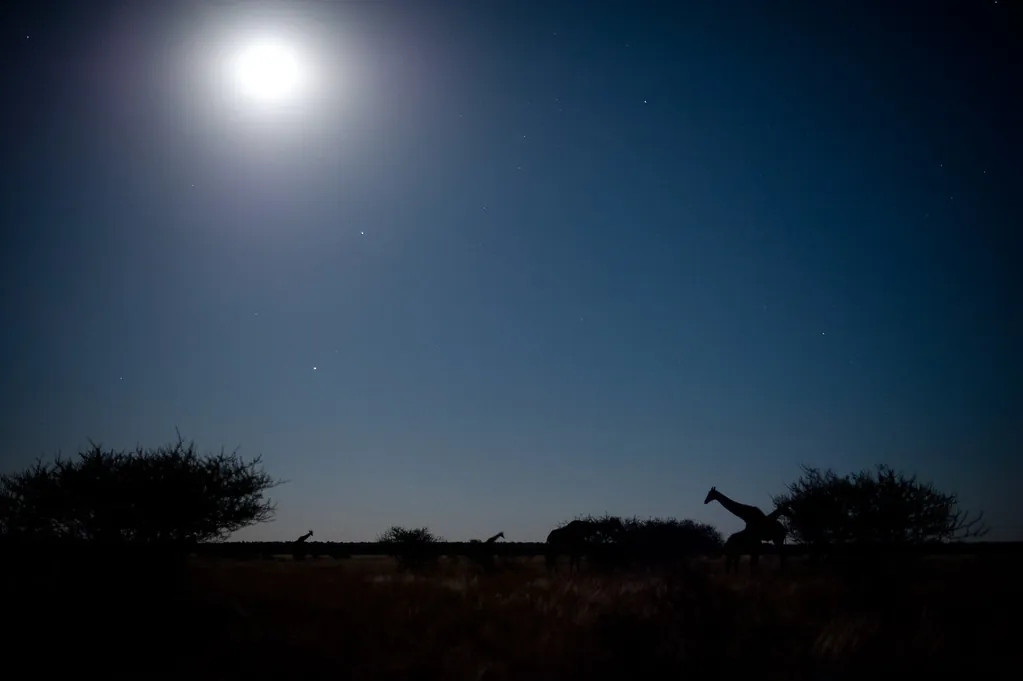
Geologically, the Kalahari is built upon a foundation of ancient, stabilized sand sheets. Millions of years ago, river systems flowed across this expanse, carving out prominent fossil river valleys such as Deception Valley, Passarge Valley, and Okwa Valley. Today, these ancient riverbeds no longer hold flowing water, but they remain the lifeblood of the reserve. Their low-lying clay floors retain mineral salts and concentrated nutrients, encouraging sweet grasses to sprout whenever rain arrives.
Because the surrounding sand mantle is hundreds of metres thick in places, surface runoff is practically non-existent outside these pan systems. Water percolates into the deep sand, leaving the surface scorched for most of the year. When you drive along the tracks inside Deception Valley, you are traveling down the bed of a prehistoric river that died long before human memory, navigating a landscape shaped by ancient hydrological history. If you are preparing a self-drive trip through these remote tracks, reading up on navigating deep sand in a 4×4 vehicle is essential before tackling the thick sand sheets that encircle the valleys.
The Diurnal Swing: Radiating Heat and Deep Night Freezes
Understanding central kalahari game reserve weather requires understanding sand dynamics. Fine quartz sand has a very low thermal heat capacity. During daylight hours, the dry sand greedily absorbs solar radiation, quickly pushing ground temperatures to blistering levels. The air directly above the ground becomes superheated, creating shimmering mirages across the open pans.
The moment the sun slips below the horizon, the mechanism reverses. Cloud cover is absent for much of the year, leaving an uninsulated atmosphere that lets stored thermal energy radiate directly out into space. Temperatures plunge rapidly. It is common to experience a diurnal swing of 25°C to 30°C within a single twelve-hour window. You can easily sit in shorts enjoying a cool drink at four in the afternoon and find yourself wearing heavy down jackets, beanie hats, and thick gloves around teh campfire by eight.
The desert sand acts like a mirror for solar energy: it bakes under the noon sun and releases all its warmth to the stars the instant night falls.
The Scorching Core: Summer Heatwaves (October to March)
October brings the build-up to the summer rains, marking the hottest time of the year across Botswana. Midday air temperatures regularly exceed 40°C to 45°C, with extreme surface heat on the pan floors reaching up to 55°C right before the atmosphere breaks. Dust storms sweep across the plains, driven by parching winds that dry out vegetation down to brittle golden stubble.
During this pre-rain build-up, shade is a precious commodity. Animals cluster under the thin umbrella canopies of camelthorn trees, remaining completely motionless to conserve bodily moisture. Human survival during these months relies heavily on shade, high water consumption, and careful schedule adjustments. Experienced travellers do their game driving at first light and retreat to shady camp setups long before midday heat peaks.
The Mechanics of the Wet Season: Thunderstorms and Deluges
When the rain finally arrives between late November and December, it does not trickle gently. Summer precipitation comes in erratic, highly localized, violent thunderstorms. A single storm cell can dump 100mm of rain in under thirty minutes onto a single pan while leaving a campsite five kilometres away entirely untouched by water.
Average annual rainfall across the CKGR sits between 150mm and 400mm, concentrated almost entirely within these erratic summer bursts. Clay pan surfaces transform instantly into slick, sticky mud traps that can immobilize heavy 4×4 vehicles. Small depressions fill with murky standing water, providing temporary relief to thirsty wildlife before intense solar radiation evaporates the puddles away.
The Green Season Transfiguration
Within days of the first substantial rainfall, the Central Kalahari undergoes a dramatic ecological transformation. Pale dust yields to vibrant green shoots across Deception Valley and Passarge Valley. Millions of dormant seeds burst forth, covering the clay pans in nutrient-dense grasses rich in phosphorus and calcium.
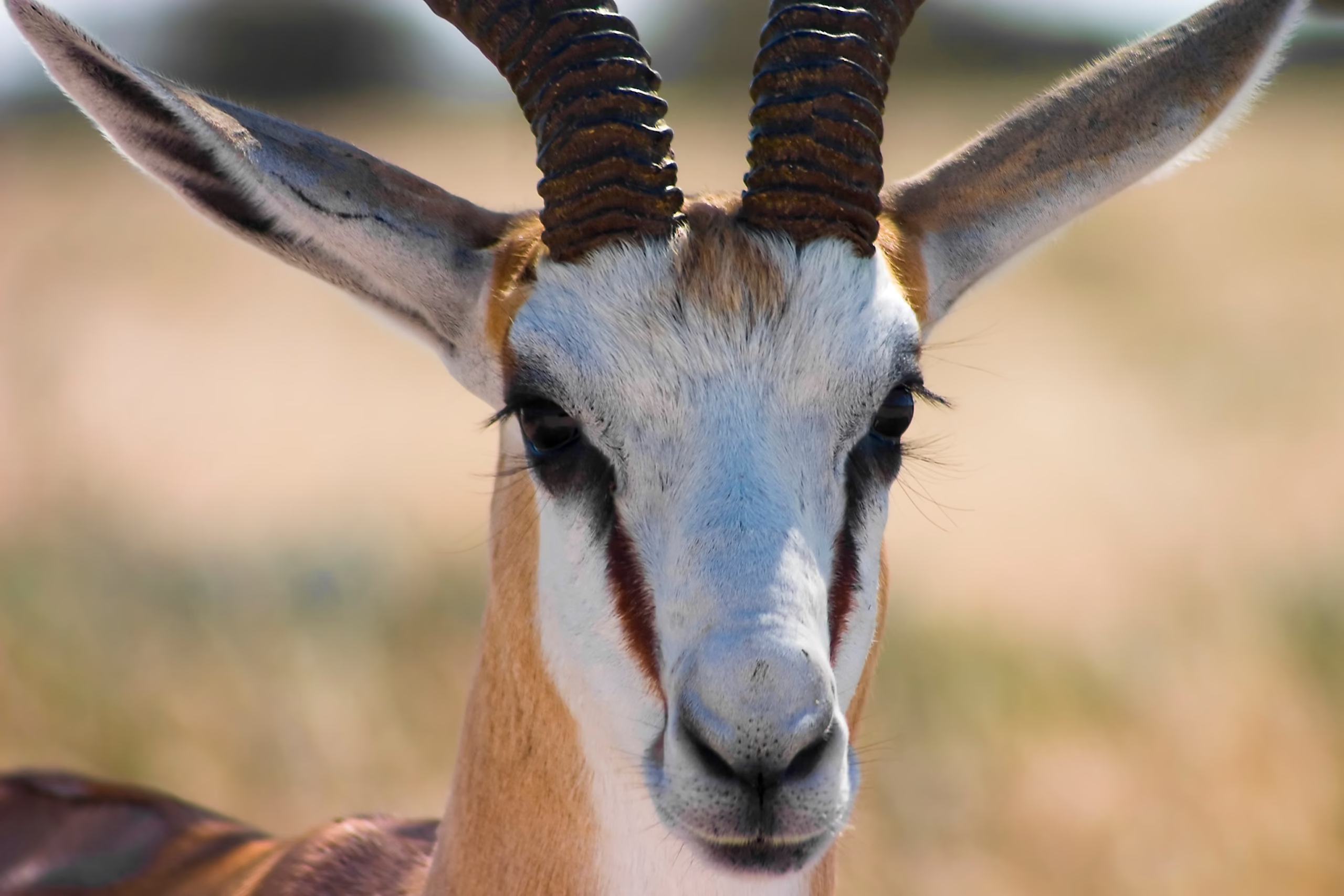
Thousand-strong herds of springbok, gemsbok, and blue wildebeest migrate from the surrounding bushveld onto the open valley floors. Predators follow close behind, making the green season (January through April) one of the most spectacular periods for safari activity. To compare green season conditions against winter game-viewing windows, explore our comprehensive breakdown on when to visit and Kalahari weather cycles.
The Brutal Deep Winter: Sub-Zero Nights (June to August)
By late May, moisture vanishes from the air completely. Winter settles over the Kalahari with crisp, bright days and frigid nights. While daytime temperatures are warm and pleasant, hovering between 25°C and 30°C under cloudless skies, nighttime temperatures regularly plummet below 0°C.
Hard ground frost forms across the pan surfaces before dawn. Uninsulated water containers left outside on camp tables freeze solid overnight. Sleeping inside a rooftop tent requires high-grade cold-weather sleeping gear or thermal blankets. The sudden drop in temprature catches unprepared travelers off guard, particularly those who assume an African desert remains warm year-round.
| Season | Months | Day / Night Temp Range | Precipitation & Humidity | Key Travel Consideration |
|---|---|---|---|---|
| Pre-Rains Heat | October – November | 38°C to 45°C / 20°C to 25°C | Extremely dry, dust storms | High heat stress; plan morning drives only |
| Wet / Green Season | December – April | 28°C to 36°C / 18°C to 22°C | 150mm–400mm total; sudden storms | Muddy tracks; prime wildlife concentrations |
| Deep Winter | May – August | 22°C to 28°C / -5°C to 4°C | 0mm; hyper-arid air | Sub-zero freezes; mandatory warm layers |
| Spring Dry Transition | September | 32°C to 40°C / 12°C to 18°C | Very low; rising winds | Dry pan dust; sparse surface water |
Spring Transition: Wind, Dust, and Desperate Dry Spells
September marks a harsh transition period between winter freezes and summer heat. The air remains dry, but temperatures climb rapidly into the mid-thirties. Strong easterly and north-easterly winds blow across the flat terrain, whipping up massive dust plumes that obscure the horizon.
Surface water deposits vanish completely, forcing animals to rely on deep taproots, wild melons, and moisture-rich tubers buried underground. Tsamma melons and gemsbok cucumbers become vital water sources for ungulates and primates alike. For human visitors, September demands strict dust management for camera gear and high vehicle air-filter maintenance.
Evaporation Dynamics: The Atmospheric Sponge
A crucial factor in Kalahari meteorology is its atmospheric evaporation rate. Across the CKGR, potential evaporation rates are double or triple the average annual precipitation. The dry air acts like a sponge, pulling moisture out of soil, plants, and water bodies at an extraordinary rate.
Unless rain falls directly onto impermeable clay pan bases, surface water disappears within hours. This extreme evaporative demand explains why permanent surface rivers cannot form here despite seasonal rainfall. Travelers must pack a minimum of five litres of drinking water per person per day, plus reserve capacity for emergency delays, as detailed in the park’s visitor rules and self-sufficiency guidelines.
Wildlife Adaptations to Thermal Extremes
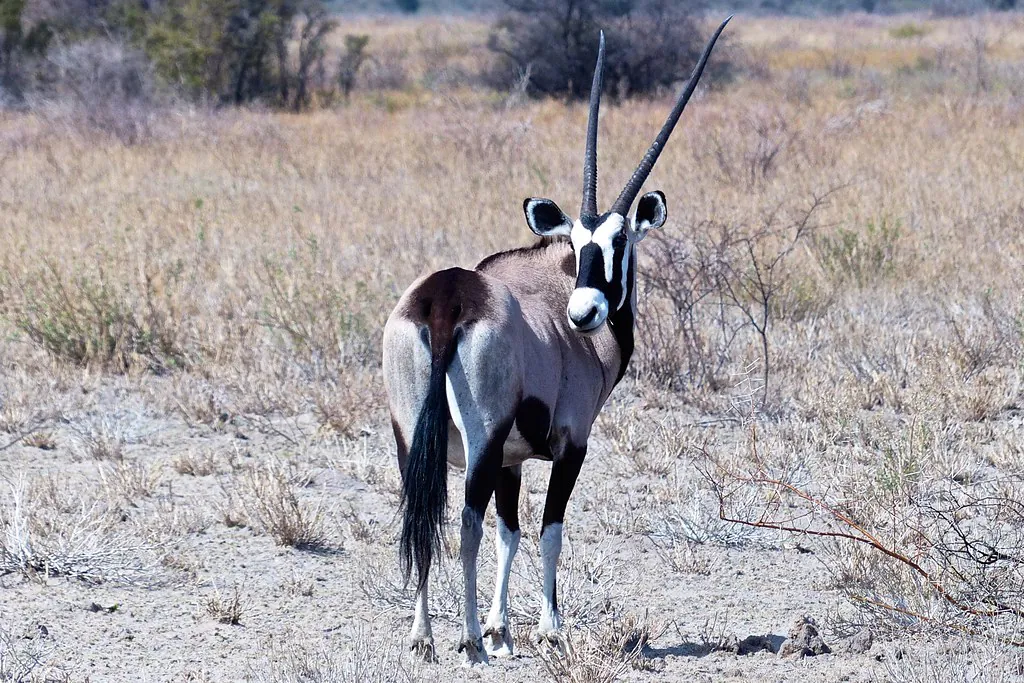
The creatures that inhabit the Central Kalahari are biological masterpieces of adaptation. Gemsbok possess a specialized network of fine blood vessels in their nasal passages called a carotid rete, which cools arterial blood before it reaches the brain, allowing them to endure body temperatures that would kill other mammals.
Smaller mammals use behavioral strategies to beat the heat and sub-zero freezes:
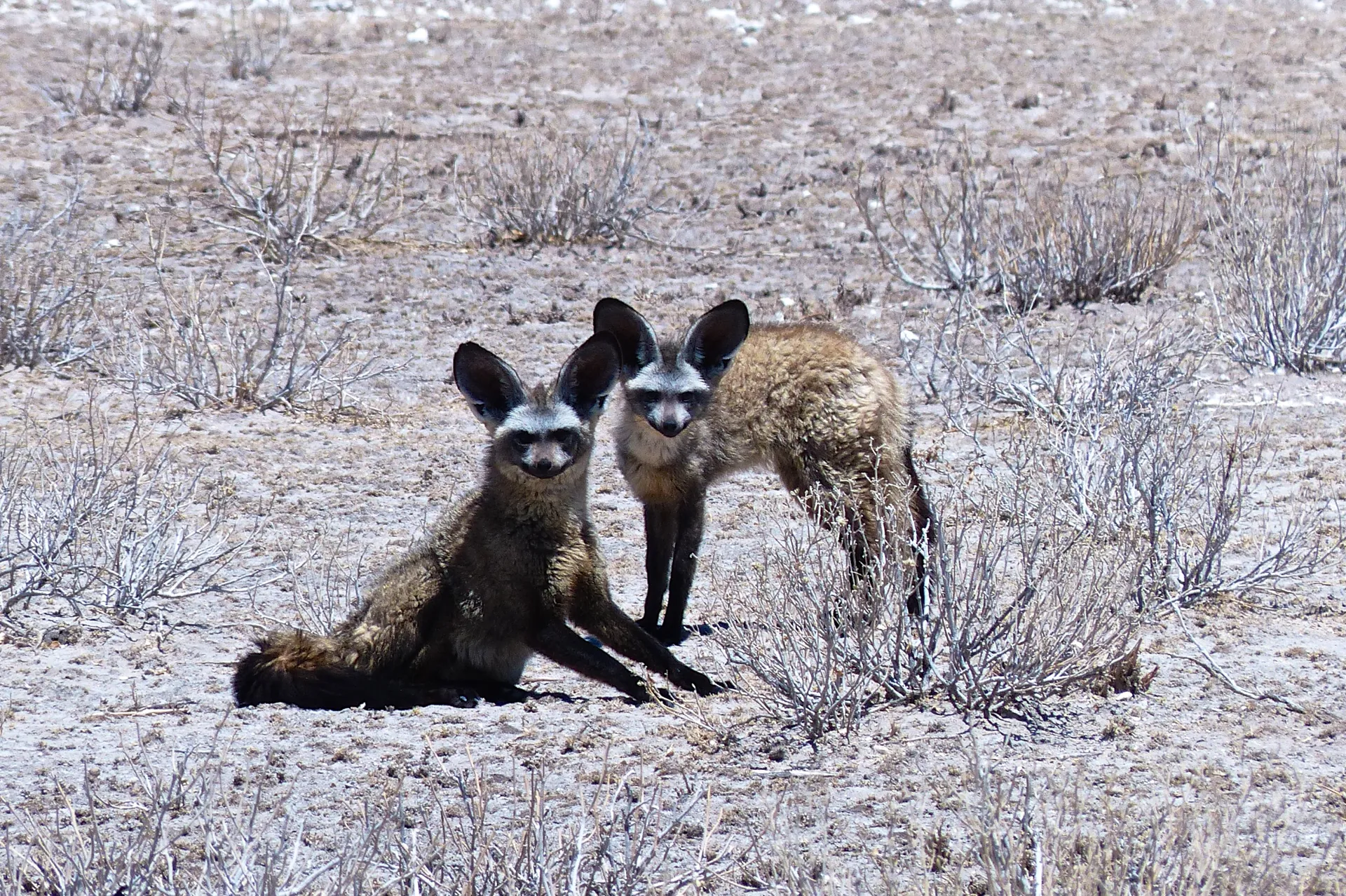
- Bat-eared foxes and meerkats: Retreat into deep underground burrow networks where ambient soil temperatures remain stable year-round.
- Black-maned Kalahari lions: Shift their hunting activity entirely to cool nighttime hours, resting in deep shade during daytime peaks.
- Springbok: Turn their reflective white dorsal flanks toward the sun to minimize radiation absorption.
- Brown hyenas: Utilize expansive home ranges to locate scattered carcasses without expending excess metabolic water during hot periods.
Understanding these animal behaviors adds rich depth to your safari. You can learn more about where to spot these desert specialists in our detailed wildlife and activities guide.
Survival Gear and Vehicle Rigging for Kalahari Shifts
Surviving and enjoying the climate demands thorough vehicle setup and equipment selection. You need gear that performs at 45°C as reliably as it does at -5°C.
Power & Refrigeration Systems
High ambient heat forces 12V portable fridges to work overtime. You need a dual-battery system backed by at least 200W of solar panels to keep food safe and drinking water cold without draining your starter battery.
Sleep Systems & Shelter
A winter rating of -5°C on sleeping bags is mandatory for June and July visits. Pair this with breathable canvas tenting that allows cross-ventilation during hot summer afternoons.
Practical Planning: Matching Your Tolerance to the Safari Window
Choosing when to journey into the CKGR depends entirely on your climate tolerance and travel priorities. If your goal is witnessing vast herds on green pan floors and tracking active predators, the wet season (January to March) is unmatched, provided you are comfortable driving through slick mud. If you prefer crisp blue skies, minimal dust, and mild daytime temperatures, winter (May to August) is ideal, so long as you prepare for freezing nights.
Self-drive travelers must book campsites well in advance through the Botswana Department of Wildlife and National Parks (DWNP) or official safari operators listed on the Botswana Tourism Organisation portal. Secure park entry permits, carry double your estimated fuel needs, and respect the raw power of the desert climate. For details on campsite choices and ground facilities, check our comprehensive guide to campsites and accommodation options in the Central Kalahari.
Whether you choose guided luxury safaris or an unassisted self-drive expedition, understanding how heat, cold, and dry air interact in this fossil desert ensures your journey is safe, comfortable, and unforgettable. The Kalahari is not an easy environment, but it rewards those who come prepared for the wild climate swings that define its unique character.
Out here, survival isn’t about fighting the climate, it’s about respecting the heat and knowing where the shade lies.