Accommodation & Campsites Guide
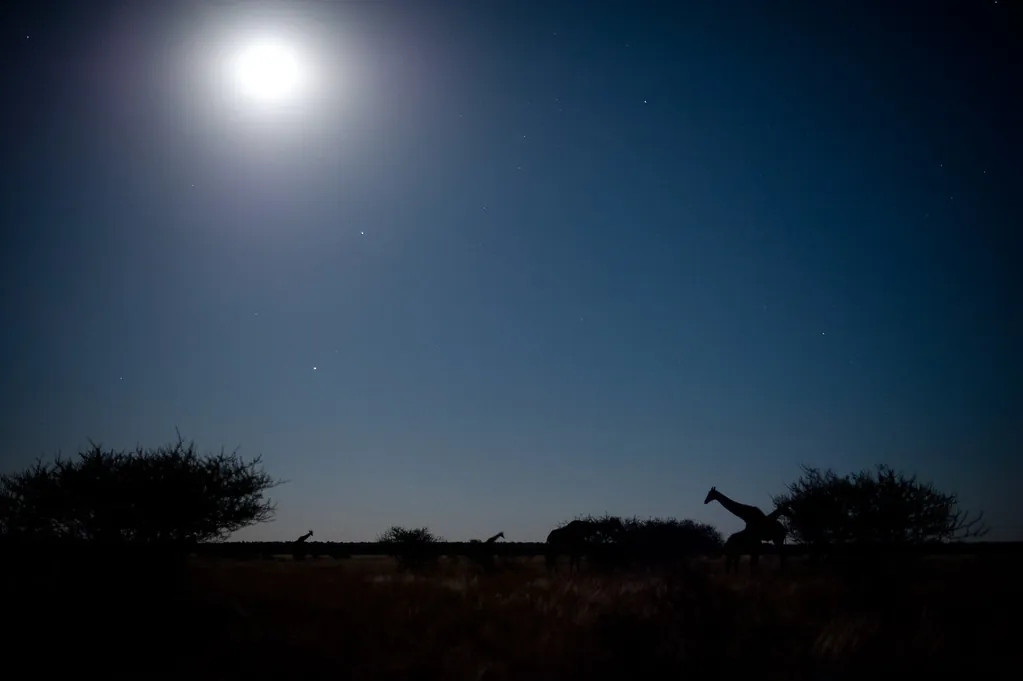
Unrolling a swag beneath the icy, unpolluted light of the Kalahari stars feels light-years away from civilised routine. Spanning over 52,800 square kilometres of fossilised riverbeds, scrubbed dunes, and yellow grass plains, the Central Kalahari Game Reserve is one of the grandest wildernesses remaining on earth. Where you decide to lay your head inside or around this reserve shapes every hour of your expedition, dictating whether you fetch your own water from a jerrycan or sip cold gin while watching black-maned lions stroll across teh salt pan.
The Central Kalahari Accommodation Ecosystem
Accommodation in the Kalahari splits into two distinct operational worlds. On one side, you have self-sufficient bush camping inside the reserve, where you bring every drop of water, fuel, and food required to survive. On the other side, private luxury lodges offer high-end canvas tented suites situated either on private concessions inside the reserve borders or along the park perimeter.
Self-drivers choosing central kalahari game reserve camping sites must embrace total self-reliance. There are no grocery stores, no mechanic shops, no fuel pumps, and no cellular towers inside the reserve boundaries. Every campsite operates on a strict pack-it-in, pack-it-out principle. Private luxury lodges provide fully guided open-vehicle safaris, fine dining, and solar-powered luxury deep in the bush for travellers seeking an immersive wilderness experience without the mechanical grit of 4×4 expedition logistics.
Public Wilderness Campsites Inside the Reserve
Public camping inside the reserve is managed through a split system divided between the government Department of Wildlife and National Parks (DWNP) and a private concessionaire, Big Foot Tours. Knowing who manages which campsite is vital when structuring your itinerary and securing your bookings.
Deception Valley & Kori Campsites
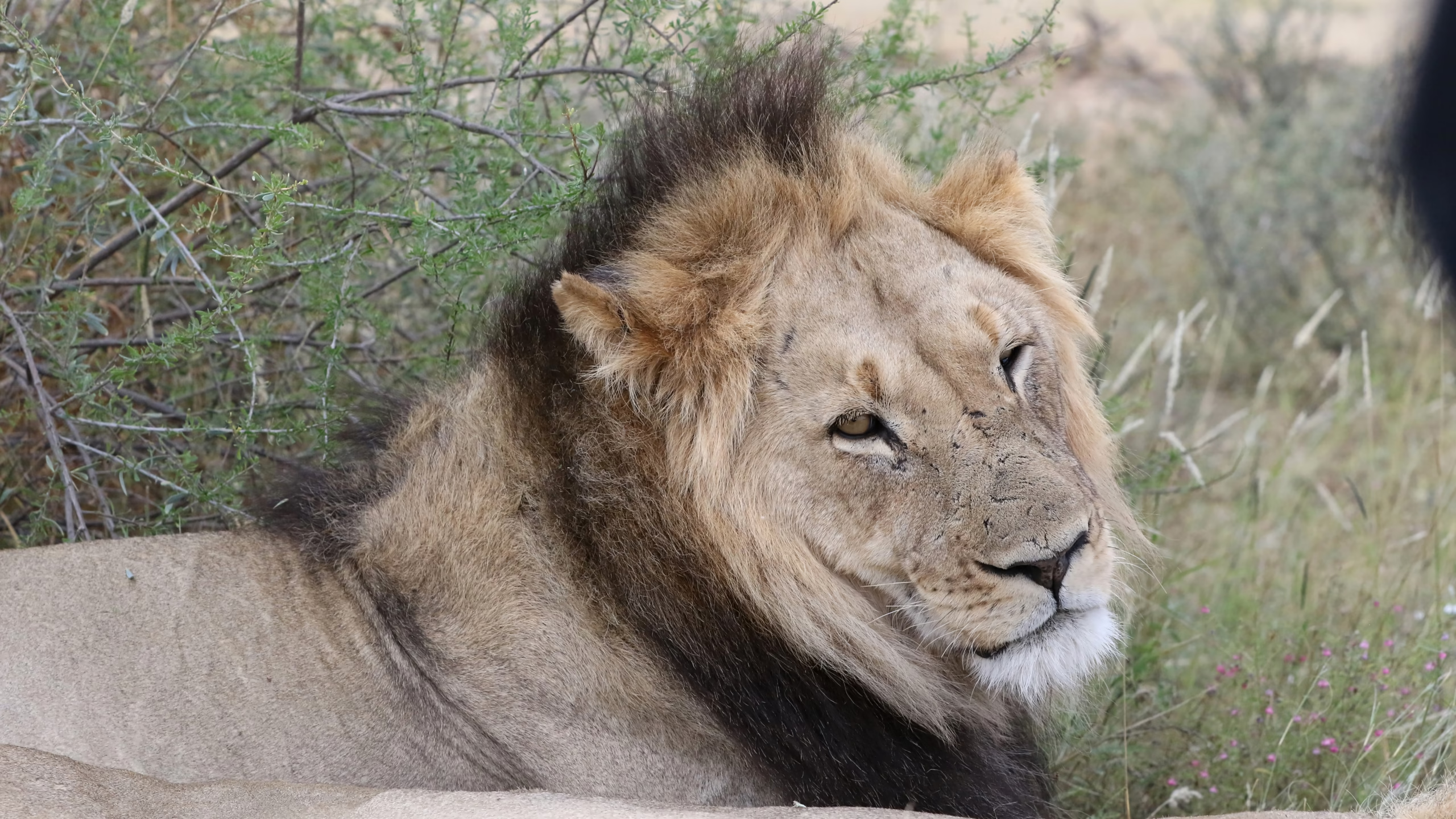
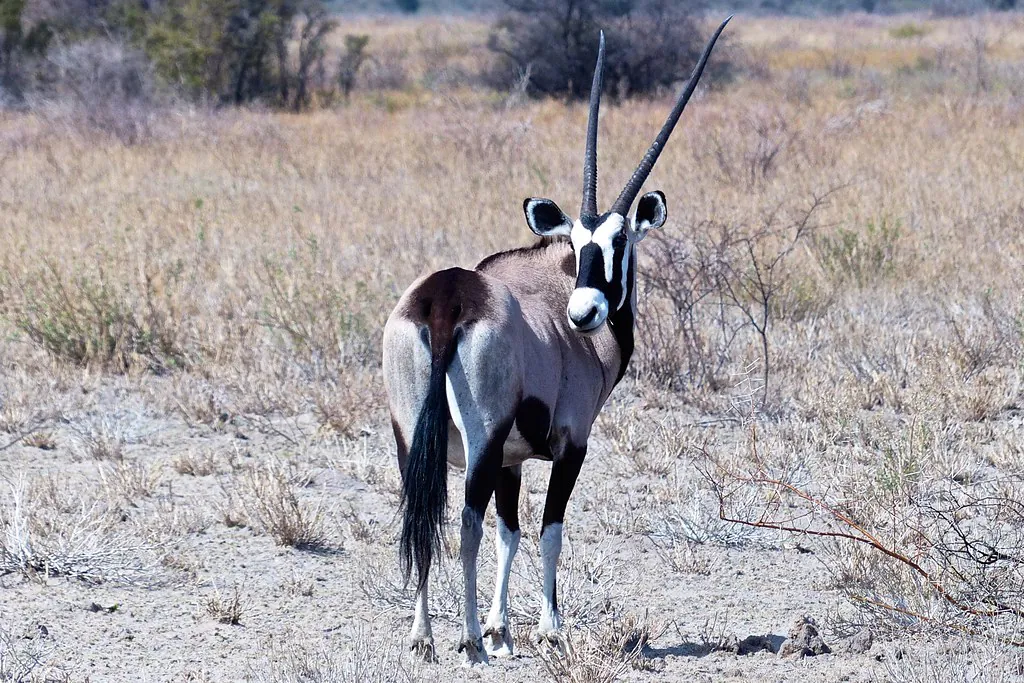
Positioned roughly 40 to 45 kilometres southwest of the main Matswere Gate, Deception Valley and Kori form the most accessible camping hub in the reserve. The ancient fossil riverbed of Deception Valley collects seasonal rainfall, growing sweet grasses that draw springbok, gemsbok, and blue wildebeest in massive numbers during the summer green season. DWNP administers sites 1 through 6 in Deception Valley, while Kori (sites 1 to 4) offers elevated viewpoints overlooking open grassy plains. Predators, particularly black-maned lions and cheetahs, patrol these valley tracks regularly during early morning hours.
Passarge & Sunday Pan Nodes
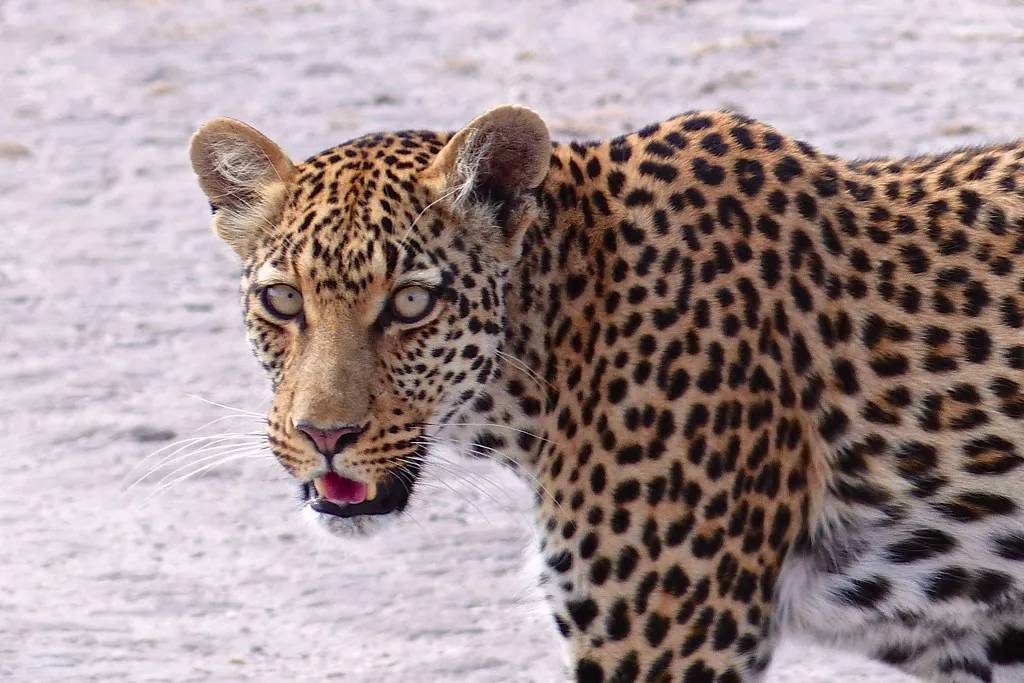
Moving northwest into the reserve interior brings you to Passarge Pan and Sunday Pan, both managed by Big Foot Tours. Passarge Pan features four individual campsites positioned along the northern rim of a sprawling salt pan system, offering sweeping horizon views and excellent winter game viewing. Sunday Pan sits closer to the central crossroads and includes a nearby waterhole where leopards and bat-eared foxes drink at dusk. Sites here feel noticeably more isolated than Deception Valley, surrounded by low acacia scrub and quiet desert silence.
Deep Wilderness Campsite Nodes: Piper Pan and Motopi
Pushing deep into the southwestern sector of the Kalahari demands serious 4×4 driving skills and careful fuel management. Piper Pan and Motopi represent true deep-wilderness bush camping, far removed from any emergency assistance.
Piper Pan features two isolated campsites overlooking a vast grassland basin famous for summer cheetah sightings and large herds of eland. Reaching Piper Pan requires navigating hours of thick, rutted sand tracks through heavy desert bush. Motopi Campsite sits further west towards the Tsau Gate, acting as a remote wilderness campsit stopover for overland vehicles traversing between Maun and the southern Kalahari sectors. Facilities at both sites are minimalist, offering nothing more than a shade structure, a cleared fire circle, and absolute solitude.
“When camping at Piper Pan, the silence at midnight is absolute. You hear the deep call of a Kalahari lion three miles away across the pan, reverberating right through the canvas floor of your roof tent.”
Julian Thorne, Senior Travel Editor
Practical Reality of Campsite Facilities
Understanding what facilities exist on the ground prevents dangerous assumptions when preparing for your trip. Public sites inside the park offer rustic amenities built to handle extreme desert weather and hungry wildlife.
- Sanitation: Most designated public campsites contain a basic wooden pit latrine (long drop) enclosed by thatch or timber screens. Some sites have a timber tripod setup designed for hanging your own canvas bucket shower.
- Shade and Cooking: Each site features a metal or concrete fire pit and an open-sided shade canopy built from local wooden poles or thatch to shelter tents from blazing midday heat.
- Water Supply: There is no running water at any individual campsite. Non-potable borehole water is occasionally available at main entrance gates like Matswere, but supplies fluctuate. Campers must carry a minimum of 5 to 7 litres of potable water per person per day for drinking, cooking, and basic washing.
- Power and Fuel: Zero electrical hookups, charging stations, or fuel pumps exist inside the park grounds. Dual-battery vehicle setups and solar charging panels are mandatory for running camp fridges.
Never leave water containers, shoes, or dishware outside your tent overnight. Hyenas, jackals, and honey badgers will chew through heavy plastic jerrycans to reach precious fresh water.
The Campsite Booking Maze
Securing campsites inside the Kalahari involves navigating a dual reservation system. Because management is shared, booking a complete loop through the reserve requires securing campsite vouchers from two separate entities before park entry permits can be issued.
Government-administered sites like Kori and Deception Valley are reserved directly through the Botswana Department of Wildlife and National Parks (DWNP) booking offices in Maun or Gaborone. Concession campsites, including Passarge, Sunday Pan, Letiahau, Piper Pan, and Motopi, must be reserved directly through Big Foot Tours. Once campsite vouchers are secured and paid for from both operators, you present them at the park gate alongside your vehicle entry and daily conservation fees.
It is wise to cross-reference your route planning with our detailed maps and navigation resources to ensure your daily driving distances between campsites remain manageable on soft sand tracks, and review official regulations in our visitor rules guide.
Private Luxury Lodges Inside the Reserve
For travellers seeking central kalahari game reserve lodges that combine remote desert access with refined comfort, a select number of high-end tented camps operate directly within or immediately adjacent to the reserve boundary.
Kalahari Plains Camp
Operated by Wilderness Destinations, Kalahari Plains Camp rests on an elevated ridge overlooking an immense salt pan in the northern sector of the reserve. The camp features custom canvas suites elevated off the desert floor, each complete with private sleep-out decks for stargazing. The lodge runs entirely on solar power, offering cold plunge pools, gourmet dining, and custom 4×4 game drive vehicles operated by expert professional guides.
Tau Pan Camp
Situated on the edge of Tau Pan within the northern park boundary, Tau Pan Camp is managed by Natural Selection. It offers panoramic views across the pan toward a permanent waterhole that draws resident lion prides, leopards, and herds of springbok. Accommodations consist of luxury thatch-and-canvas chalets equipped with indoor and outdoor showers, private viewing decks, and viewing lounges overlooking the vast wilderness landscape.
Border Sanctuaries and Private Concessions
Positioned on private concessions hugging the northern and eastern borders of the reserve, perimeter lodges offer safari experiences with additional flexibility not allowed inside national park grounds, such as off-road tracking, night game drives, and guided bush walks.
Dinaka Safari Lodge: Nestled on a private concession along the northern border of the CKGR, Dinaka provides air-conditioned safari tents, raised hide platforms for night photography, and specialized family suites. Private concession rules allow night drives with spotlights to observe shy nocturnal hunters like aardvarks, pangolins, and caracals.
Deception Valley Lodge: Located on the northeastern boundary, this lodge blends traditional luxury thatched suites with rich cultural immersion. Guests spend mornings tracking wildlife with local San trackers who share ancient survival knowledge, plant gathering techniques, and bushcraft skills passed down through generations. To explore more about these ancient traditional practices, read our post on meeting the San people of the Kalahari.
Evolve Back Gham Dhao Lodge: Sitting on the eastern boundary near Matswere Gate, Gham Dhao offers luxurious tented suites set around a central lodge and swimming pool, ideal for safari-goers wanting easy day-trip access into Deception Valley without camping off-grid.
Financial Breakdown & Camping Rates
Budgeting for central kalahari game reserve accommodation requires calculating multiple tariff layers, including ground accommodation fees, daily park entrance fees, vehicle permits, and government bed levies. Below is a structured rate breakdown for international visitors planning their stay.
| Accommodation Category | Operator / Site | Base Rate (Per Person / Night) | Park Entry & Fees | Key Facilities |
|---|---|---|---|---|
| DWNP Public Campsite | Deception Valley (1-6), Kori (1-4) | BWP 40 – BWP 60 | BWP 190/day entry + BWP 75/day vehicle | Pit latrine, shade structure, fire pit |
| Concession Campsite | Big Foot Tours (Passarge, Sunday, Piper) | ~BWP 350 (Adult) / BWP 100 (Child) | BWP 190/day entry + BWP 75/day vehicle + P10 levy | Pit latrine, bucket shower rig, fire ring |
| Border Safari Lodge | Dinaka / Deception Valley Lodge | USD $650 – $1,200 (All-inclusive) | Concession fees included in room rate | En-suite tent, dining, pool, night drives, walks |
| Luxury In-Park Lodge | Kalahari Plains / Tau Pan Camp | USD $950 – $1,800 (All-inclusive) | Includes park fees, transfers & safaris | Solar power, plunge pool, private guide, airstrip transfers |
Keep in mind that central kalahari game reserve camping rates for foreign registered vehicles incur the standard BWP 75 daily permit fee. All park entry fees payable to DWNP must be settled in advance or paid in cash (Botswana Pula) at the entry gates. For full details on booking procedures, guided options, and pre-packaged safari itineraries, check out our tickets and safaris guide.
Essential Gear and Vehicle Prep for Self-Drive Campers
Attempting a self-drive camping expedition into the Kalahari without proper vehicle preparation can quickly turn an dream trip into a dangerous emergency. The heavy sand tracks absorb huge amounts of horsepower, drastically increasing fuel consumption.
- Fuel Range Realities: Always calculate fuel consumption assuming a rate of 20 to 25 litres per 100 kilometres in heavy sand. Top off fuel tanks completely in Maun or Rakops before heading to Matswere Gate. Carry at least two spare 20-litre steel jerrycans.
- Tyre Pressure Management: Lowering tyre pressures down to 1.2 – 1.4 bar (17-20 PSI) is essential when driving deep sand tracks to gain traction and prevent overheating your transmission. Bring a reliable 12V air compressor to reinflate tyres when returning to hard gravel roads. Learn proven sand driving methods in our guide on navigating deep sand in Botswana.
- Dual-Battery Systems: High ambient temperatures mean 12V camp fridges work constantly. A dual-battery system paired with a 150W+ folding solar panel ensures cold food storage and battery health without needing to idle your vehicle engine.
- Recovery Equipment: Pack sand tracks (MaxTrax), a heavy-duty snatch strap, bow shackles, a rated high-lift jack with a wooden base plate, a long-handled shovel, and a tyre repair kit with spare valves.
Extreme desert temperature shifts mean summer days can soar above 40°C while winter nights drop below freezing. Review seasonal weather patterns before packing in our breakdown of Kalahari climate patterns or our deep dive on decoding extreme Kalahari climates.
Choosing Your Zone: Matching Style to Sector
Selecting where to stay inside the reserve boils down to honest self-assessment regarding your driving experience, self-sufficiency, and budget. First-time desert self-drivers ought to focus on the Deception Valley and Kori campsite clusters, staying within 45 kilometres of Matswere Gate with easier access to gate communications if mechanical issues arise.
Experienced 4×4 expedition leaders equipped with satellite phones, dual spare tyres, and full recovery rigs can comfortably tackle the long sand sweeps out to Sunday Pan, Passarge Pan, and down to Piper Pan. If you prefer to focus entirely on wildlife photography and native culture without driving soft sand tracks, booking fly-in luxury lodges like Kalahari Plains or perimeter retreats like Dinaka provides an extraordinary desert experience with zero off-grid stress. For complete route distances and transit options from Maun or Gaborone, consult our detailed Kalahari transport guide to pick a wilderness sector that your rig is actually equipped for.